


 Sanitary Napkins and the Role of Cambio Woman in Menstrual Hygiene
Menstruation is a normal part of life, yet managing a period can still be difficult for many women and girls. Something as natural as having a period can become stressful when sanitary products are difficult to afford or access, clean toilets and water are not available, or people are made to feel uncomfortable talking about menstruation.
One of the most common ways to manage menstrual flow is by using a sanitary napkin. It offers protection by absorbing menstrual blood and allows women to continue with their everyday activities with greater comfort and peace of mind.
But menstrual hygiene is about more than simply having a sanitary napkin. It also involves knowing how to use and change menstrual products properly, keeping yourself clean, having access to safe toilets and clean water, disposing of used products responsibly, and being able to ask questions about periods without feeling embarrassed.
This is an area where brands such as Cambio Woman can make a meaningful contribution. By providing menstrual-care products and promoting awareness about healthy period practices, Cambio Woman can help make menstrual care more comfortable, informed, and dignified.
What Is Menstrual Hygiene?
Menstrual hygiene refers to the products, habits, facilities, and knowledge that help women and girls manage their periods safely and comfortably.
Some of the basics are quite simple: using a clean menstrual product, changing it regularly, washing your hands before and after changing it, maintaining personal hygiene, and disposing of used products properly.
Unfortunately, not everyone has the same access to these basic necessities.
For some women, finding or affording suitable menstrual products can be a challenge. Others may not have access to clean water, private toilets, or proper disposal facilities. Young girls may also get little or no information about menstruation before their first period. As a result, their first experience can be confusing or even frightening.
This is why improving menstrual hygiene requires more than making products available. Women and girls also need clear, accurate information about their periods and how to manage them.
Why Sanitary Napkins Matter
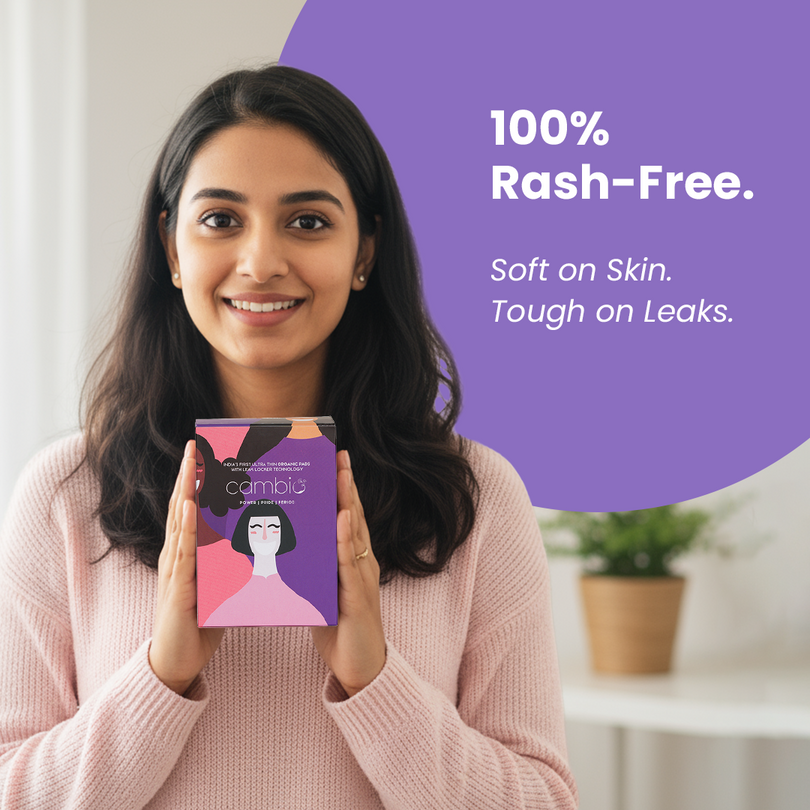
Sanitary napkins are designed to absorb menstrual flow and provide protection during a period. They are worn inside underwear and come in different sizes and absorbency levels, allowing women to choose an option that suits their individual needs.
For a student attending school, someone working a full day, a woman travelling, an athlete, or anyone simply going about their normal routine, having dependable period protection can make the day much easier.
When choosing a sanitary napkin, women may consider several things, including:
-
Absorbency
-
Comfort and fit
-
Leakage protection
-
Skin-friendly materials
-
Size
-
The level of absorbency needed for their flow
Every period is different, and menstrual flow can also change from one day to another. Choosing a product that feels comfortable and provides suitable protection, along with changing it regularly, can make period care easier.
Menstrual Hygiene Is About Dignity Too
Having a period should never be something a girl or woman feels ashamed of.
Yet menstruation has often been surrounded by silence, embarrassment, and misinformation. Many girls grow up without receiving straightforward information about periods. Some are even taught that menstruation is something that should be hidden.
When a girl gets her first period without knowing what is happening, an experience that should feel normal can instead become frightening or confusing.
Open conversations can help change this.
Parents, teachers, healthcare professionals, workplaces, and communities all have an opportunity to make conversations about menstruation more normal. When girls and women feel comfortable asking questions, they are more likely to seek reliable information and take better care of themselves.
It is important for boys and men to understand menstruation as well. Periods are not something strange or embarrassing. They are a normal biological process, and a better understanding of menstruation can help create more supportive families, schools, workplaces, and communities.
How Cambio Woman Can Support Menstrual Hygiene
A menstrual-care brand can do more than simply put a product on a shelf.
Cambio Woman can contribute to the wider conversation around women's wellbeing by encouraging better awareness of menstrual hygiene and helping make menstrual products more accessible.
The idea is simple: women should be able to manage their periods without unnecessary discomfort, embarrassment, or disruption to their everyday lives.
Whether a woman is going to school, heading to work, travelling, exercising, or spending time with family, having reliable menstrual protection can provide an important sense of reassurance.
Through menstrual-care products and awareness-focused communication, Cambio Woman aims to support women in feeling more comfortable and confident throughout their periods.
Building Better Menstrual Hygiene Through Awareness
Sanitary napkins are important, but products alone cannot address every menstrual-hygiene challenge. Information matters just as much.
Here are some areas where better awareness can make a difference.
1. Understanding Menstruation
Girls should ideally learn about menstruation before their first period. Knowing what is happening and what to expect can make those first experiences much less confusing.
2. Choosing a Suitable Menstrual Product
There is no single menstrual product that will feel exactly right for everyone. Menstrual flow, lifestyle, comfort, skin sensitivity, and personal preference can all influence what a woman chooses.
3. Maintaining Personal Hygiene
Simple habits can go a long way. Sanitary napkins should be changed regularly, and hands should be washed before and after changing them.
4. Disposing of Used Napkins Properly
Used sanitary napkins should be wrapped and disposed of according to local waste-management practices. They should not be flushed down the toilet because they can cause blockages and create sanitation problems.
5. Making Periods Easier to Talk About
Sometimes, one of the simplest ways to improve menstrual hygiene is to make conversations about periods more normal.
When girls and women can ask questions, talk about concerns, and look for reliable information without feeling embarrassed, they are in a better position to care for themselves.
Sanitary Napkins and Everyday Confidence
A period should not mean putting everyday life on hold.
Reliable menstrual protection can make a difference during a long school or workday, while travelling, attending an event, exercising, or simply being away from home.
This can be particularly important for adolescent girls. When they feel prepared and supported during their periods, it can be easier for them to continue attending school and taking part in everyday activities.
For working women, dependable period care can also mean having one less concern during an already busy day.
That is why menstrual hygiene is about more than personal care. It is connected to education, work, participation, comfort, health, and dignity.
Moving Towards a Future Without Period Stigma
Changing attitudes around menstruation will take time. Making menstrual products available is an important step, but products alone cannot remove the stigma that still surrounds periods.
Families, schools, workplaces, communities, healthcare professionals, brands, and policymakers all have a role to play.
A healthier approach to menstruation means creating an environment where:
-
Girls can learn about periods without fear or embarrassment.
-
Women can access menstrual products that meet their needs.
-
Schools and workplaces have clean and appropriate sanitation facilities.
-
Menstruation can be discussed openly and respectfully.
-
Used menstrual products are disposed of responsibly.
-
Women can manage their periods without unnecessary restrictions.
-
Reliable menstrual-health information is easy to find and understand.
Cambio Woman can contribute to this broader effort by bringing menstrual-care products and awareness together while keeping the everyday needs of women at the centre.
Choosing the Right Menstrual Care
Every woman's experience with menstruation is different. Period length, menstrual flow, comfort, lifestyle, and personal preferences can all vary.
When choosing a sanitary napkin, factors such as absorbency, size, fit, comfort, material, and intended use are worth considering.
It is also important to follow the product's instructions and change sanitary napkins regularly.
If someone experiences persistent irritation, unusual pain, exceptionally heavy bleeding, or other concerning symptoms, speaking with a qualified healthcare professional is advisable.
Ultimately, good menstrual hygiene begins with understanding your body and having access to the information and resources needed to care for it.
Making Menstrual Hygiene a Normal Conversation
Menstrual hygiene is an important part of women's health and everyday wellbeing. Sanitary napkins provide practical protection, but improving menstrual care requires more than products alone.
It also requires access to information, education, awareness, proper sanitation facilities, responsible disposal, and open conversations about menstruation.
Cambio Woman can be part of this conversation by helping make menstrual care more accessible and encouraging women to approach their periods with greater confidence and understanding.
Every girl deserves to know what menstruation is before she experiences it. Every woman deserves access to suitable menstrual products. And nobody should feel ashamed simply because they have a period.
By bringing menstrual-care solutions and awareness together, we can move towards a future where menstruation is treated for what it is: a normal part of life, rather than something that should interfere with education, work, confidence, or everyday participation.
Menstrual hygiene is not a luxury. It is an important part of health, comfort, dignity, and wellbeing.
Cambio Woman can contribute to this change by supporting better menstrual care and helping create a more open, informed, and supportive conversation around periods.