






A working day does not always leave much room for period-related surprises. You may have an early commute, several meetings, customer calls, a long shift or a washroom that is not close to your workstation. When your period starts or your flow changes during the day, having a simple plan can make managing it less stressful.
If you are considering organic sanitary pads for working women, do not choose a product only because the word 'organic' appears on its packaging. Check the material information, absorbency, length, fit, changing needs and whether the product matches your actual routine. This guide covers the practical points to consider before choosing period pads for office use.
For broader context on access to information, facilities and care, see WHO — Menstrual health.
1. Start With Your Workday, Not Just the Product Label
Think about a typical workday before selecting a pad. Someone working from home may have easy access to personal supplies, while someone travelling by bus, train or shared transport may spend several hours away from home. A person working in retail, healthcare, hospitality, manufacturing or the field may also have fewer predictable breaks than someone with a desk-based role.
- Commute length: If your journey is long, carry spare pads in a small pouch that stays in your work bag.
- Shift duration: A full-day or night shift may require more planning than a short office visit.
- Break access: Notice when you can comfortably visit the washroom; do not rely on being able to leave at the last minute.
- Work clothing and movement: Choose a pad that fits securely with the underwear and clothing you normally wear.
The aim is not to find a pad that you can wear indefinitely. It is to choose a suitable product and plan regular changes around your flow and the product instructions.
2. Choose Absorbency and Length According to Your Flow
Menstrual flow can change across the period and sometimes during the same day. A lighter option may be enough on a light-flow day, while a longer or more absorbent pad may be more suitable when your flow is heavier or when you prefer additional coverage. Do not assume that one size will be right for every day.
Check the product's stated length, absorbency or intended flow category. These labels are not identical across all brands, so compare the actual specifications rather than relying only on words such as 'regular', 'large' or 'overnight'. A longer pad may offer more coverage, but length alone does not guarantee leak protection. Fit, placement, underwear and flow also matter.
On its current product page, CambioWoman lists Light Flow (245 mm), Medium Flow (280 mm), Heavy Flow (330 mm) and Extra Heavy Flow (420 mm) options. Review the live product page for current specifications and availability before choosing.
3. What Should You Check When Buying Organic Sanitary Pads?
The term 'organic' does not automatically describe every component of a disposable pad. Check which part of the product is identified as organic—for example, the top sheet or skin-contact layer—and look for clear material information about the other layers where it is available. If a certification is mentioned, check what product or fibre it covers rather than assuming it applies to the complete pad.
- Skin-contact layer: Check what material touches your skin and whether the product clearly identifies it.
- Fragrance: If you prefer fragrance-free products, look for an explicit statement on the pack or product page.
- Absorbency and construction: Review the stated flow category, length and product instructions.
- Certification details: Verify the certification name, scope and current validity; do not rely on a badge image alone.
- Packaging and disposal: Check how each pad is wrapped and what disposal instructions are provided.
Organic material preference is a personal choice. It should not be presented as proof that a pad is automatically safer, healthier or irritation-free for everyone. Comfort and suitability depend on the complete product and individual experience.
4. Build a Small Workday Period Kit
A compact period kit can help you avoid having to leave work unexpectedly. Keep it in a clean, dry pouch inside your handbag, backpack or desk drawer, depending on what is practical and permitted at your workplace.
- A few spare sanitary pads in the size you are likely to need.
- One or two disposal bags or the disposal pouches supplied with your product.
- A spare pair of underwear, if you have room.
- Tissues or unscented wipes for external use, if you normally use them.
- A small hand-sanitiser bottle for situations where soap and water are not immediately available; wash hands when you can.
Restock the kit after using an item. If your flow is unpredictable or your commute is long, carrying an additional pad can be useful. Store unused products in a dry place and follow the manufacturer's storage instructions.

5. Plan for Changing Pads During Office Hours
Try to identify convenient washroom breaks during your shift, such as before leaving home, during a scheduled break and before the journey back. Your actual changing frequency should depend on your flow, how full or uncomfortable the pad feels and the product's instructions. Change it sooner if it becomes wet, full, uncomfortable or starts leaking. Do not wait for a leak before checking.
Workplaces should provide clean, private and accessible washroom facilities, as well as suitable bins for menstrual waste. If these facilities are missing, consider raising the issue with HR, facilities management or the appropriate workplace contact. Menstrual health at work is not only an individual planning issue; access to private toilets, disposal facilities and reasonable opportunities to use them also matters.
For workplace facilities and menstrual-hygiene context, see the ILO self-training handbook — Menstrual Hygiene Management and WHO’s statement on menstrual health and rights.
Wrap a used disposable pad and place it in an appropriate waste bin. Do not flush sanitary pads. Follow local waste-management rules and the instructions supplied with the product.
For practical product-use questions, see Sanitary Pads FAQs.
6. What If You Have a Long Commute or Work a Night Shift?
For a long commute, keep at least one spare pad somewhere easy to reach rather than at the bottom of a packed bag. If you work a night shift, plan supplies for the entire shift and the journey home. If your work involves travel between locations, keep a small backup kit with you instead of depending on facilities or supplies being available at every stop.
If you cannot predict when a break will be available, speak with your supervisor or HR about practical arrangements. A workplace plan may include access to a nearby washroom, a private place to store supplies and a suitable waste bin.
7. Are Organic Sanitary Pads Better for Working Women?
Not automatically. Some people prefer pads that identify organic cotton or other specific materials, while others prioritise fit, absorbency, price, availability or how a product feels during a long shift. The useful question is whether the particular pad meets your needs—not whether one category is always better for everyone.
When comparing products, read the full material and size information, check the claims and consider how the pad performs during your usual routine. If you are trying a new product, you may prefer to begin with a smaller pack so you can assess comfort and fit before buying more.
8. When Should You Seek Medical Advice?
Choosing a different sanitary pad cannot diagnose or treat a menstrual health problem. If bleeding is unusually heavy, lasts longer than usual, is accompanied by severe pain, or regularly interferes with work and daily activities, speak with a qualified healthcare professional. Seek prompt medical care if heavy bleeding is accompanied by faintness, severe dizziness, breathlessness or feeling acutely unwell.
9. Exploring CambioWoman Organic Cotton Pads
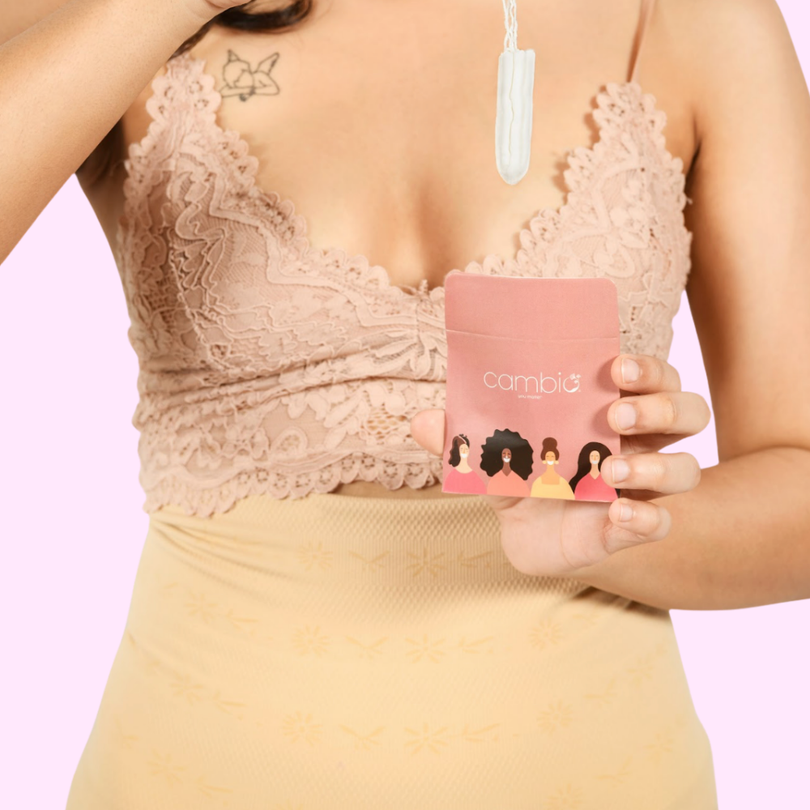
If you are reviewing organic sanitary pads for working women, you can explore the current CambioWoman Organic Cotton Pads page and compare the listed flow and length options with your own needs. The Cambio product range page also provides a place to review available menstrual-care products. Check the live listing for the latest specifications, pack quantities, price and product instructions before ordering.

Browse the Menstrual Hygiene Products collection.
Frequently Asked Questions
Which organic period pad is best for working women?
There is no single best pad for everyone. Compare the skin-contact material, absorbency, length, fit, fragrance information and product instructions. Choose the option that suits your flow and work routine.
Which pad is best for work?
A suitable work pad is one that matches your flow, fits securely and can be changed according to your needs. Consider your commute, shift length and access to washrooms when planning supplies.
What are the most natural sanitary pads?
'Natural' is not a precise product standard. Check the material of the skin-contact layer and the other components listed by the manufacturer. If a product claims to use organic cotton, verify exactly which component the claim covers.
What are organic sanitary pads?
They are disposable menstrual pads that identify one or more materials—often a cotton fibre component—as organic. The term does not necessarily mean that every layer or the complete pad is made from organic material.
What pads do gynaecologists recommend?
There is no single pad brand that all gynaecologists recommend for everyone. If you have irritation, allergies, heavy bleeding or another concern, ask your own healthcare professional for advice based on your situation.
Which is the safest pad brand?
No brand should be declared universally safest without reliable comparative evidence. Review material disclosures, product instructions, relevant testing or certification details, and your own comfort.
Are organic sanitary pads better?
They may suit people who prefer particular fibres or sourcing standards. However, organic does not automatically mean more absorbent, irritation-free or healthier for every user.
Which pads are 100% organic?
Do not assume a complete disposable pad is 100% organic because the pack uses that phrase. Check whether the claim applies to the top sheet, cotton fibre or the entire product, and look for clear supporting documentation.
Are herbal sanitary pads safe?
'Herbal' is not a guarantee of safety or suitability. Check the ingredients and fragrance information, avoid products that cause discomfort, and seek medical advice for persistent irritation or other symptoms.
What should I carry in my office period kit?
Carry spare pads, disposal bags, tissues, and—if practical—a spare pair of underwear. Keep the kit clean, dry and easy to reach.
Conclusion
Managing periods at work becomes easier when your product choice and workday plan fit together. Check the materials and size details, choose absorbency according to your flow, keep a few essentials nearby and plan for regular changes. Whether you are considering Cambio organic cotton pads or comparing other period products, make the decision using clear product information and your own needs—not a blanket claim that one brand or material is best for everyone.