



Sanitary pads are familiar and easy to use, but they are not the only way to manage a period. You might be looking for a reusable option, something easier to wear during sports, a product that creates less disposable waste, or simply an alternative that feels more comfortable for you.
The good news is that there are several options. Menstrual cups, tampons, reusable cloth pads, period underwear and menstrual discs all work differently, and each comes with its own care routine. There are also disposable pads marketed as plant-based or biodegradable—but those labels need a closer look.
This guide compares the main alternatives to sanitary pads so you can decide what fits your flow, budget, access to washing facilities and personal preferences. There is no single best option for everyone.
For an overview of products that absorb or collect menstrual fluid and general safe-use advice, see the FDA’s guide to menstrual product options, facts, and safe use.
1. Reusable cloth pads
Reusable cloth pads are worn in underwear in much the same way as disposable pads. After use, they are washed, dried completely and stored for the next cycle. They may appeal to people who prefer an external product but want to reduce the number of disposable pads they use.
What to consider: you will need enough clean pads to rotate through your period, plus access to water, detergent, and a private place to dry them fully. Follow the maker’s care instructions. If a pad cannot be washed and dried properly, a different product may be more practical for that situation.
For background on reusable pads, materials and care requirements, see UNICEF’s menstrual hygiene product information.

2. Menstrual cups
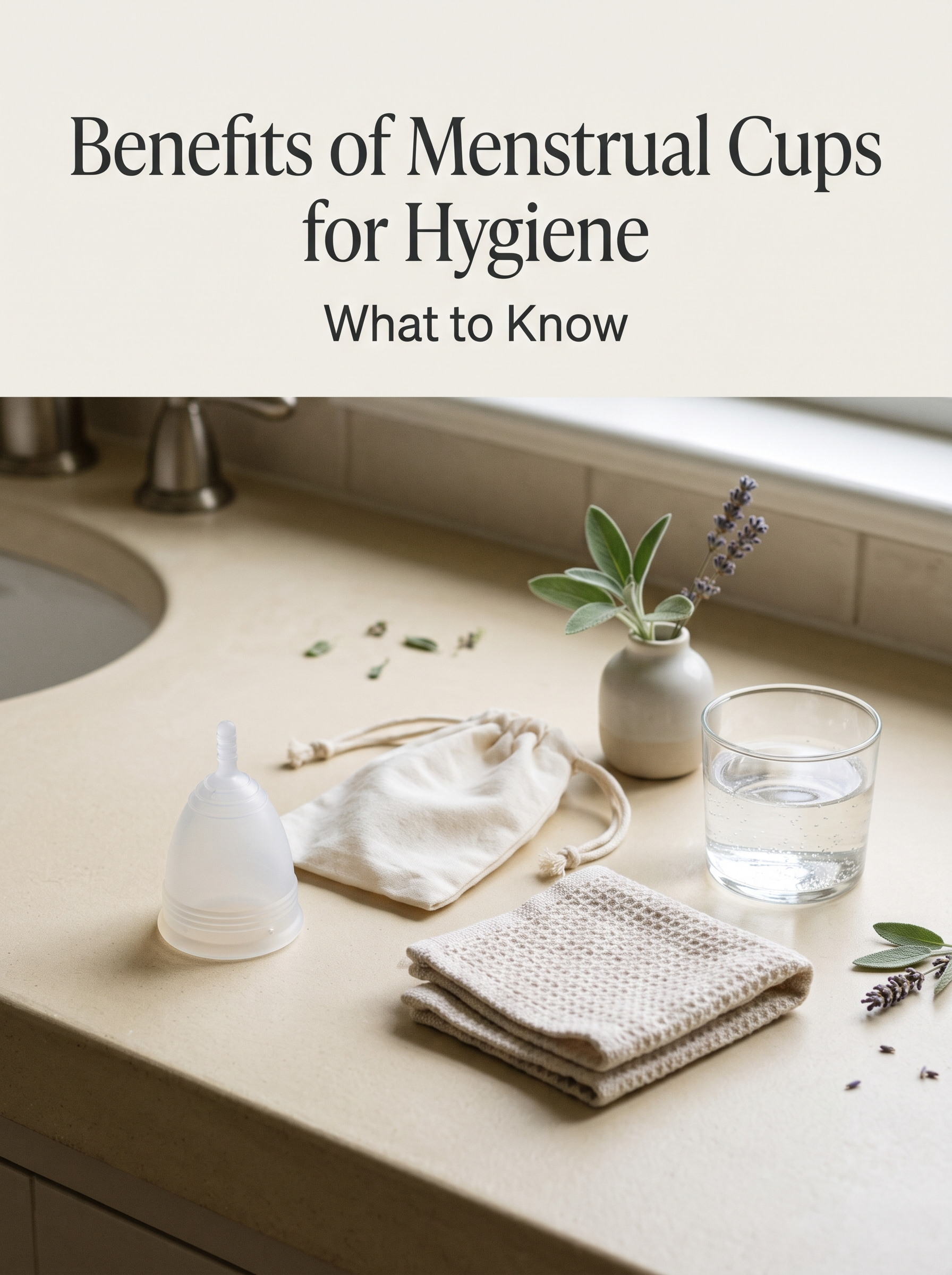
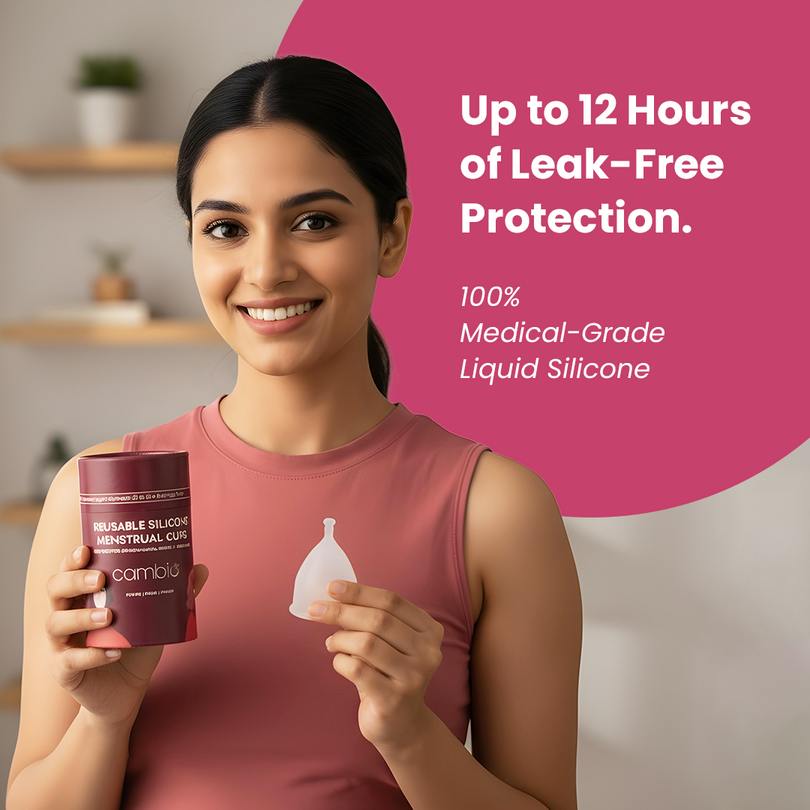
A menstrual cup is a reusable cup inserted into the vagina to collect menstrual fluid rather than absorb it. Once you learn how to insert, remove and clean it, it may be convenient for everyday activities and can reduce the need to buy disposable products each cycle.
What to consider: using a cup takes practice, and you need to follow the product’s instructions for cleaning, sanitising, emptying and maximum wear time. It may not suit everyone, and you should not force insertion if it hurts. If you prefer an external product or do not have suitable facilities to care for a cup, another option may fit better.
If you are deciding between a cup and pads, read our guide to menstrual cup vs pads for a closer comparison.
If you are exploring this option, review the CambioWoman menstrual cup product details and care instructions before deciding.
3. Tampons
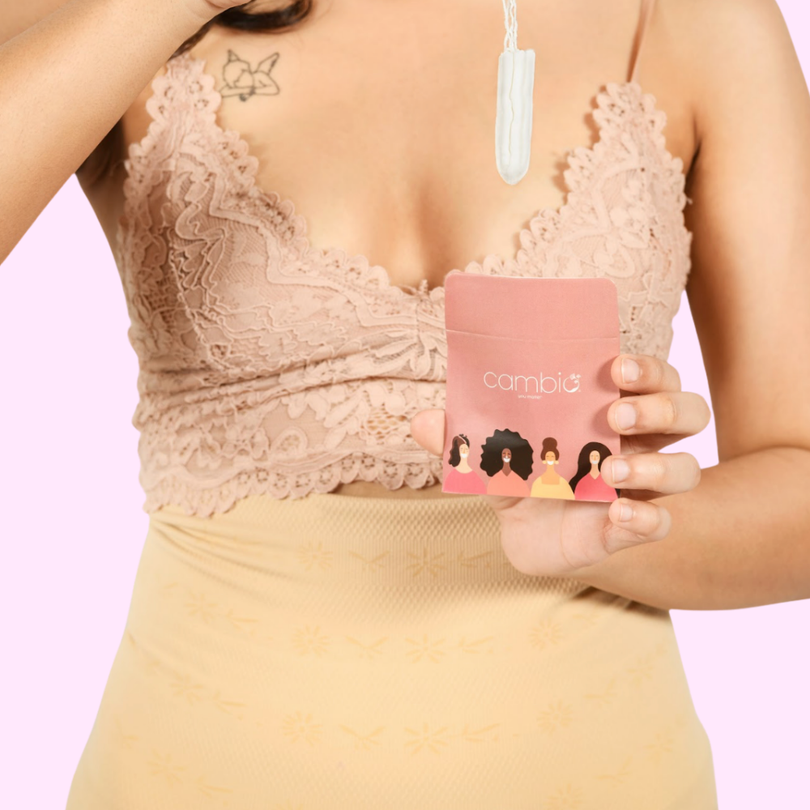
Tampons are inserted into the vagina and absorb menstrual fluid. Some people like them for activities such as swimming or exercise because the product is worn internally.
What to consider: tampons are single-use products and must be changed according to the package directions. Follow the recommended wear time and use the lowest absorbency that meets your needs. Wash your hands before and after handling menstrual products. Tampons may not be the right choice if you prefer not to use an internal product.
4. Period underwear
Period underwear looks like regular underwear but includes absorbent layers designed to hold menstrual fluid. Depending on the product’s capacity and your flow, it may be used alone or as backup with another product.
What to consider: check the stated absorbency, fit, fabric composition and washing instructions. You may need more than one pair for a full period, especially when laundry facilities are limited. Some styles contain synthetic fibres or waterproof layers, so period underwear is not automatically plastic-free.
5. Menstrual discs
Menstrual discs are inserted into the vagina and sit higher than menstrual cups, collecting rather than absorbing menstrual fluid. They are available in disposable and reusable versions, depending on the brand.
What to consider: placement and removal can take practice. Read the instructions for the exact product and check whether it is single-use or reusable. Reusable discs need appropriate cleaning; disposable discs create waste and may cost more over time if used regularly.
6. Plant-based or biodegradable disposable pads
If you want to keep using a pad, you may see products described as plant-based, biodegradable, compostable or plastic-reduced. These terms are not interchangeable. “Plant-based” may describe only one component, and it does not automatically mean the finished pad contains no plastic. “Biodegradable” does not necessarily mean a used pad can be composted at home or in your local municipal system.
Before buying, check which layers the claim covers, whether the wrapper is included, what disposal method the manufacturer recommends, and whether any compostability claim is supported by relevant testing or certification. If the product information is vague, ask the brand for details rather than relying only on the front-of-pack wording.
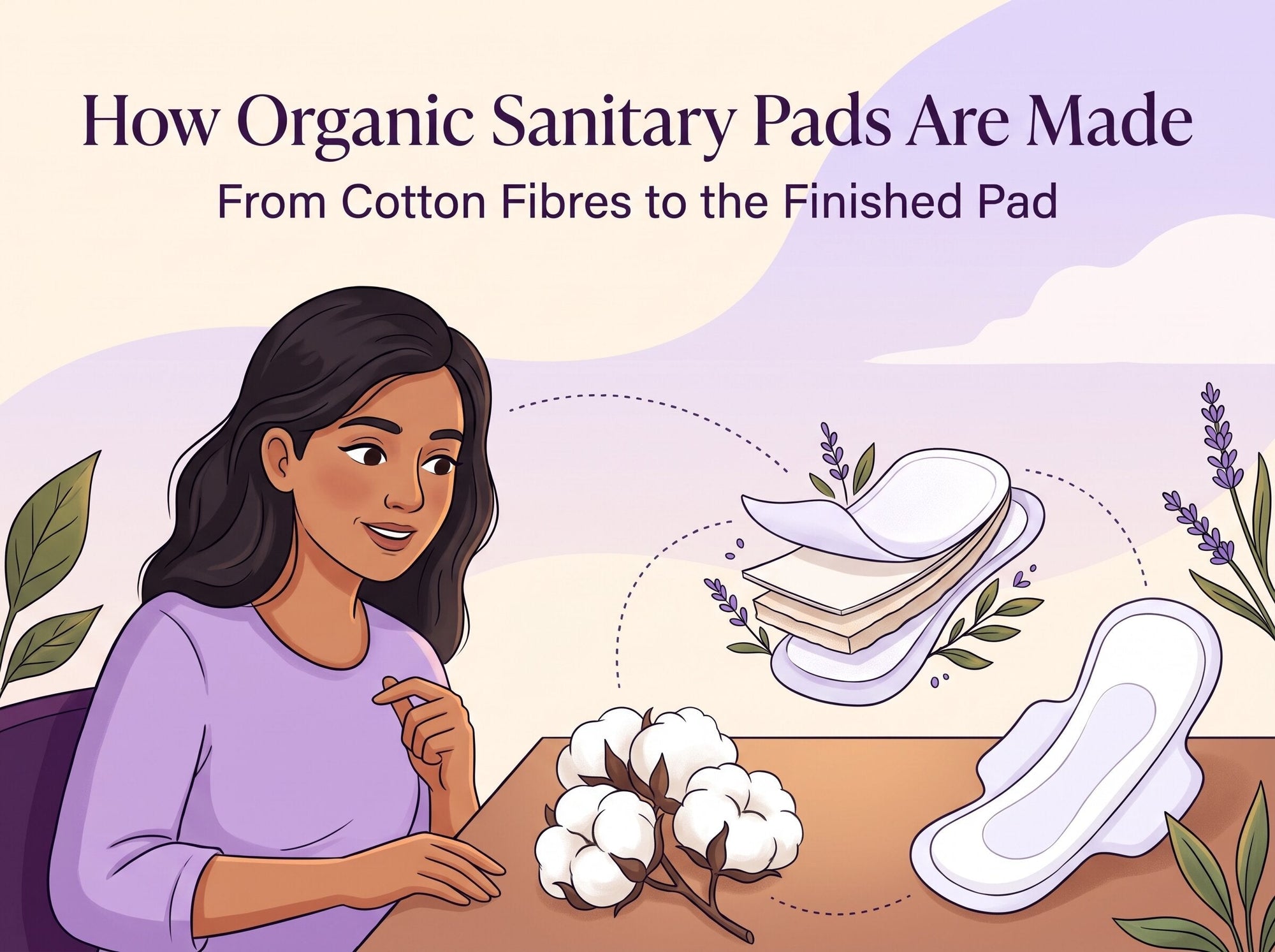
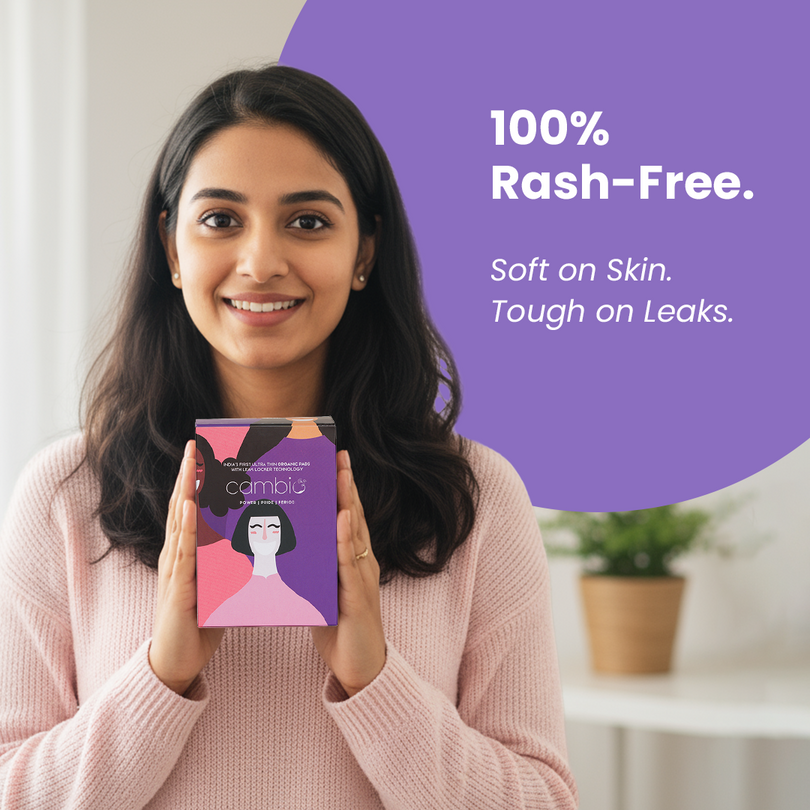
If you prefer disposable pads, review the current materials and product details for CambioWoman organic cotton pads before buying. Organic cotton does not, by itself, establish that the complete pad is biodegradable or compostable.

Which alternative should you choose?
Start with the practical details of your daily life rather than the label on the package.
- If you want an external reusable product, consider cloth pads or period underwear and check whether you have suitable washing and drying facilities.
- If you are comfortable with an internal product, you could compare cups, discs and tampons, paying attention to the instructions and care routine.
- If convenience and easy changing matter most, disposable pads may still be the right choice. You do not have to switch to a reusable product to make an informed decision.
- If reducing waste is a priority, compare reusable options and look closely at the evidence behind any plant-based, biodegradable or compostable claim.
- If you are buying for travel, work or school, think about privacy, access to clean water, storage and how easy it will be to change or clean the product.
It is also fine to use different products in different situations—for example, a reusable product at home and disposable pads when washing facilities are not convenient.
Are reusable products more environmentally friendly?
Reusable products can reduce the number of disposable items used over time, but their overall environmental impact depends on the materials, how long they last, how they are washed and dried, and the resources needed to care for them. A reusable product is only practical if you can maintain it hygienically.
Disposable products create recurring waste, but their convenience may be important where water, privacy or laundry access is limited. Environmental choices should not come at the cost of comfort, dignity or access to safe menstrual care. The World Health Organization notes that menstrual health depends on access to acceptable products as well as suitable water, sanitation, hygiene and waste-management facilities.
For more context on disposable-product waste, read our guide to the environmental impact of disposable period products.
How to compare products before buying
- Function: does the product absorb or collect menstrual fluid?
- Care: is it disposable, washable or reusable, and what are the exact care instructions?
- Flow and fit: does the product offer suitable absorbency or capacity for your flow?
- Materials: are the skin-contact layer and other components clearly described?
- Cost: compare the upfront price with the number of uses or items needed per cycle.
- Access: can you change, wash, dry or dispose of it safely where you live, study, work or travel?
- Claims: check the meaning of “plant-based”, “biodegradable”, “compostable” and “plastic-free” rather than treating them as synonyms.
For practical guidance on handwashing, following product instructions and caring for reusable products, see CDC — Healthy Habits: Menstrual Hygiene.
Frequently asked questions
What can I use instead of sanitary pads?
Common alternatives include reusable cloth pads, menstrual cups, tampons, period underwear and menstrual discs. Plant-based or biodegradable disposable pads are another option to investigate, but check the specific materials and disposal guidance.
What is the most natural alternative to sanitary pads?
There is no single product that is best for everyone. Some people prefer washable cloth pads made with cotton, while others choose a cup or period underwear. Check the actual materials, care requirements and comfort rather than relying on the word “natural”.
Are plant-based sanitary pads biodegradable?
Not necessarily. “Plant-based” describes the source of some material, while biodegradability depends on the finished product and the conditions in which it breaks down. Check product-specific evidence and local disposal facilities.
Are biodegradable sanitary pads compostable at home?
Do not assume so. Compostability depends on the full product, any certification or testing, contamination after use and the type of composting facility. Follow the manufacturer’s instructions and local waste rules.
Which menstrual product is the healthiest?
There is no one product that is healthiest for every person. Choose an option you can use comfortably and maintain according to its instructions. If a product causes persistent irritation, pain or other concerning symptoms, stop using it and seek healthcare advice.
Can I switch between different period products?
Yes. People may use different products depending on their flow, activities, access to facilities and preferences. Read and follow the instructions for each product.
The takeaway
There are several alternatives to sanitary pads, from reusable cloth pads and period underwear to cups, discs and tampons. Each option has different requirements for fit, cleaning, changing and disposal. Plant-based or biodegradable disposable pads may also be worth comparing, but the wording on the packet is not enough to establish what the product contains or how it should be discarded.
Choose the product that fits your body, routine, budget and access to facilities. Menstrual care should be safe, practical and comfortable—not a competition to use one “perfect” product.