




Maintaining menstrual hygiene is not just about choosing a period product. It also involves using it correctly, keeping your hands clean, following the right cleaning routine and knowing when to change or empty it.
A menstrual cup offers a different way to manage your period. Instead of absorbing menstrual blood like a sanitary pad or tampon, it collects the flow inside the vagina. Because it is reusable, it can reduce the need to buy and dispose of single-use period products every month.
But are menstrual cups hygienic? They can be a suitable period-care option when used and cleaned correctly. The key is understanding how they work, following the manufacturer’s instructions and choosing a routine that fits your daily life.
This guide explains the hygiene benefits of menstrual cups, the habits that help you use one safely, and the situations you should consider before making the switch.
What Is a Menstrual Cup?
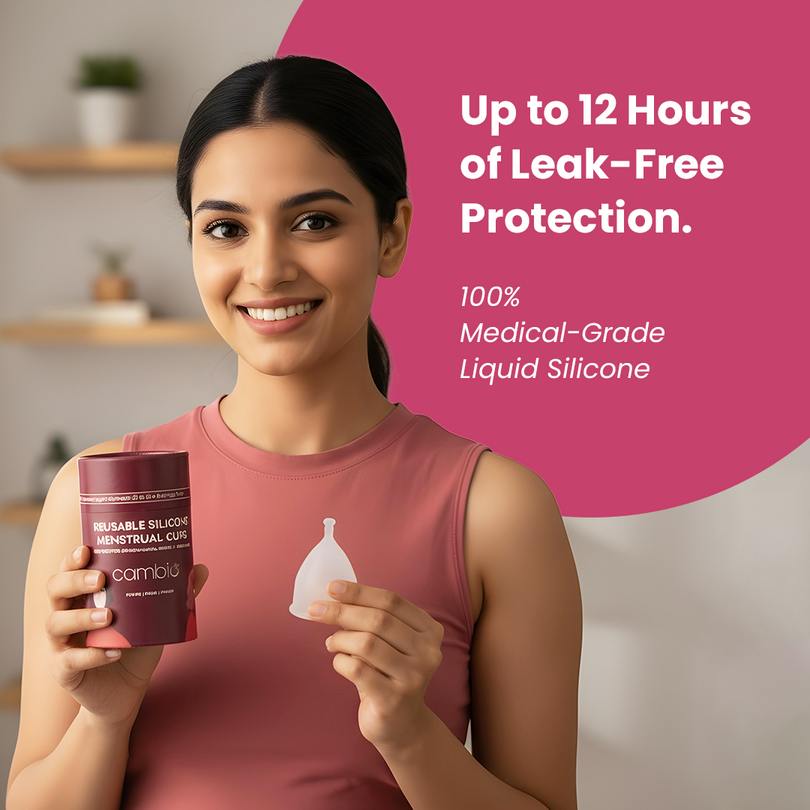
A menstrual cup is a small, flexible cup that is inserted into the vagina to collect menstrual blood. Many reusable cups are made from medical-grade silicone, although materials can vary by product.
Unlike a sanitary pad, which absorbs menstrual flow externally, a menstrual cup collects it internally. Once the cup is correctly positioned, it forms a seal that helps prevent leakage.
After the recommended wearing time, you remove the cup, empty it, clean it according to the product instructions and reinsert it if your period is continuing.
Because a cup can be reused over many menstrual cycles, it can also reduce the number of disposable period products you use. However, its hygiene depends on correct handling and care—not simply on the fact that it is reusable.
For background, see UNICEF’s menstrual hygiene product information.
What Are the Hygiene Benefits of Menstrual Cups?
1. Less Dependence on Disposable Period Products
One practical benefit of a menstrual cup is that you do not need to throw it away after every use. A reusable cup can be cleaned and used again according to its manufacturer’s instructions.
This means fewer disposable pads or tampons may be needed during your period. It can also reduce the amount of menstrual-product waste you generate.
For someone looking for a reusable period-care option, this can be an important consideration.
2. A Different Way to Manage Menstrual Blood
Sanitary pads absorb menstrual blood outside the body, while menstrual cups collect it inside the vagina.
Some people prefer this method because it changes how they manage their period throughout the day. However, collecting blood rather than absorbing it does not automatically make a menstrual cup safer or more hygienic than every other period product.
Each product has its own care requirements. The best choice is one that you can use comfortably and maintain correctly.
3. Less Frequent Product Changes May Be Possible
Depending on your menstrual flow and the specific cup, a menstrual cup may be worn for several hours before it needs to be emptied.
Many cups have a recommended maximum wearing time of up to 8–12 hours, but this is not a universal rule. Follow the instructions for your particular product, and empty it sooner if your flow requires it.
A longer interval between changes can be convenient during work, travel or sleep. It should never be treated as a reason to ignore the product’s instructions or your body’s needs.
4. No Disposable Pad Against the Skin
A menstrual cup is inserted into the vagina rather than worn against the skin of the vulva like an external pad.
Some people prefer this because it removes the need to wear a pad throughout the day. Others may find insertion uncomfortable or simply prefer external products.
Comfort varies from person to person. A menstrual cup should not cause persistent pain, and it should not be used to dismiss irritation or other symptoms that need attention.
5. A Reusable Option for Long-Term Period Care
With appropriate care, a reusable menstrual cup can be used across many cycles, although its useful lifespan depends on the product and manufacturer.
This can make it a practical option for people who want to reduce recurring purchases of disposable period products.
A reusable product also requires planning: you need access to clean hands, suitable cleaning facilities and a safe place to store the cup between periods.
How to Maintain Menstrual Cup Hygiene
Correct care is one of the most important parts of using a menstrual cup. Follow the instructions supplied with your cup because cleaning methods and recommendations can differ between products.
Wash Your Hands Before Handling the Cup
Wash your hands with soap and clean water before inserting or removing the cup. This helps reduce the transfer of dirt and microorganisms while handling an intimate hygiene product.
Wash your hands again after finishing.
If you are outside your home, think ahead about where you can access a clean toilet and wash your hands. Carrying a small bottle of clean water may be useful when suitable facilities are not available.
For general hygiene guidance, see CDC — Healthy Habits: Menstrual Hygiene.
Clean the Cup When You Empty It
When the cup reaches its recommended emptying time, remove it carefully and empty the collected menstrual blood into the toilet.
Rinse and clean the cup as directed by its manufacturer before reinserting it. If you cannot rinse it immediately because of limited facilities, follow the product’s specific instructions for that situation rather than improvising with unsuitable products.
Do not use scented products, harsh cleaners or substances that the manufacturer does not recommend for cleaning the cup.
Follow the Recommended Between-Cycle Care
At the end of your period, clean and sanitise the cup using the method and duration specified by its manufacturer.
Do not assume that every menstrual cup has identical boiling or sterilisation instructions. The product’s material and design matter, so follow the instructions provided with your cup.
Allow it to dry as directed and store it in the recommended pouch or container. Avoid storing it in a sealed, damp environment unless the manufacturer specifically instructs you to do so.
Do Not Share Your Menstrual Cup
A menstrual cup is a personal hygiene product. Do not share it with another person, even if it has been cleaned.
Check the cup before each use. If you notice damage, a change in texture, persistent odour after cleaning or another sign that the product may no longer be suitable, consult the manufacturer’s care guidance and replace it if necessary.

Can You Use a Menstrual Cup Overnight?
A menstrual cup can be convenient at night, but overnight use depends on your flow, the cup’s capacity and its maximum recommended wearing time.
Before going to sleep:
- Empty the cup if it is approaching its recommended limit.
- Check that it is correctly positioned and comfortable.
- Follow the manufacturer’s instructions for maximum wear time.
- Empty it promptly after waking if it has reached the recommended limit.
If you have a heavy flow, the cup may fill sooner than expected. You may need to empty it more frequently or use a different period-care option that better suits your needs.
Do not leave a menstrual cup in longer than its instructions allow simply because you are sleeping.
How Do You Know When a Menstrual Cup Is Full?
There is no single answer for everyone. Cup capacity, menstrual flow and the stage of your period can all affect how often you need to empty it.
When you first start using a cup, pay attention to how quickly it fills. This can help you develop a routine that suits your flow.
Possible signs that it may need attention include leakage or reaching the recommended wearing time. However, leakage does not always mean the cup is full; fit, positioning and the seal can also affect performance.
If leakage continues, review the product’s instructions for insertion, positioning and removal. You may also need to check whether the size or design is suitable for you.
For more information about fit, read our guide to menstrual cup sizes.
Is a Menstrual Cup Hygienic for Everyone?
Menstrual cups can be a suitable option for many people, but they are not the right choice for everyone in every situation.
Some people find insertion or removal difficult at first. Others may not have reliable access to clean water or private facilities, which can make maintaining a reusable cup more challenging.
You should also consider whether you feel comfortable inserting a product into your vagina and whether you can follow its cleaning instructions consistently.
If you have previously experienced toxic shock syndrome, have concerns about an intrauterine device (IUD), or are recovering from a gynaecological procedure or childbirth, seek advice from a qualified healthcare professional about whether and when a menstrual cup is appropriate for you.
Stop using the cup and seek medical advice if you experience persistent pain, unusual irritation, fever, an unusual discharge or other concerning symptoms. Sudden severe symptoms require prompt medical attention.
See the NHS guidance on toxic shock syndrome for information about this rare but serious condition.
For related information, read our article on menstrual cup side effects.
Good menstrual hygiene is not about choosing one product that is supposedly perfect for everyone. It is about choosing a product that suits your needs and using it correctly.
What If You Do Not Want to Use a Menstrual Cup?

You do not need to use a menstrual cup to maintain good menstrual hygiene.
Disposable sanitary pads, tampons, reusable pads and other period products can all be options, depending on your preferences and circumstances.
The important thing is to use each product according to its instructions, change or empty it at the recommended intervals, keep your hands clean and pay attention to discomfort or unusual symptoms.
If you prefer external period care, you can explore CambioWoman's menstrual hygiene products to see the options currently available.
If you are considering a cup, read the product instructions carefully and make sure you understand its size, wearing time, cleaning routine and storage requirements before using it.
For a broader comparison, read Is Menstrual Cup Better Than Pads?
Frequently Asked Questions
What are the benefits of a menstrual cup for hygiene?
A menstrual cup collects rather than absorbs menstrual blood and can be reused after proper cleaning. It may reduce the need for disposable products and can be convenient for everyday activities. Safe use depends on following the manufacturer’s instructions and maintaining good hand and cup hygiene.
Are menstrual cups safe to use?
Menstrual cups can be used safely by many people when they are suitable for the individual and used according to the manufacturer’s instructions. They are not completely risk-free. Seek medical advice if you have concerns about suitability or develop persistent pain, irritation or unusual symptoms.
Do I need a special menstrual cup wash?
Not every cup requires a special branded wash. Follow the cleaning instructions supplied with your product and use only cleaning products that the manufacturer recommends. Avoid scented or harsh products that are not intended for cleaning the cup.
Can I use a menstrual cup overnight?
Often, yes, provided the cup is suitable for you and you do not exceed its recommended wearing time. Consider your flow and the cup’s capacity, and follow the instructions for your particular product.
Can a menstrual cup get stuck inside the vagina?
A cup can sometimes be difficult to remove, especially when you are new to using one, but it cannot travel freely through the vagina into the rest of the body. Relax, follow the manufacturer’s removal instructions and gently release the seal before removing it. Do not pull forcefully. If you cannot remove the cup or experience significant pain, seek medical assistance.
Do menstrual cups stretch the vagina?
There is no good reason to assume that correctly using a menstrual cup will permanently stretch the vagina. Vaginal tissues are flexible. If insertion or removal repeatedly causes pain or discomfort, stop and seek advice from a qualified healthcare professional.
What should I do if my menstrual cup leaks?
Leakage can happen if the cup is full, is not correctly positioned, has not opened properly or is not a suitable fit. Check the instructions, review your flow and consider whether a different size or design may work better. Persistent problems may be worth discussing with a healthcare professional.
Final Thoughts
The benefits of menstrual cups for hygiene depend on more than the product itself. Correct insertion, clean hands, timely emptying, appropriate cleaning and proper storage all play a part in safe use.
A reusable cup may suit someone who wants a different way to manage menstrual flow and reduce dependence on disposable products. Another person may prefer sanitary pads or a different period-care option.
There is no need to choose a product because it is described as the most hygienic or the best for everyone. Understand the instructions, consider your own needs and choose an option you can use comfortably and consistently.
For more information about using and choosing a cup, explore the CambioWoman Menstrual Cup FAQs and review the product’s care instructions before use.