

If you have ever turned over a sanitary pad packet to check what it is made of, you may have noticed that “cotton,” “natural” and “plastic-free” do not always mean the same thing. Many disposable pads combine a topsheet, absorbent core, adhesive and a leak-resistant backsheet. Some of these layers may contain synthetic polymers, even when the surface feels soft or the packaging highlights cotton.
Plastic-free period care can be a meaningful goal for people trying to reduce disposable plastic waste. But it is important to check what a claim covers, understand the trade-offs, and avoid assuming that a product is automatically safer simply because it uses less plastic.
Do sanitary pads have plastic?
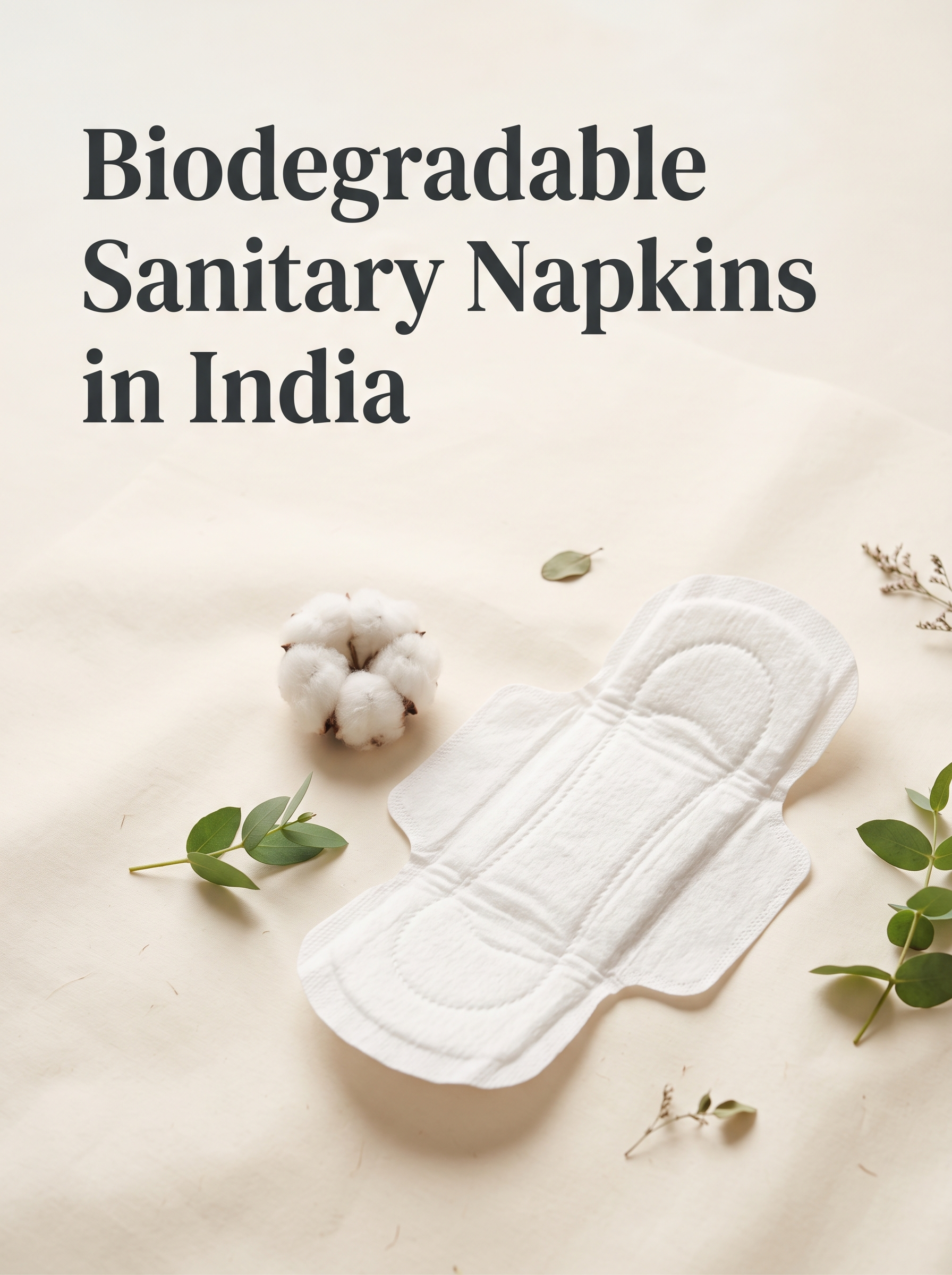
Many conventional disposable pads contain plastic-based materials in one or more layers. A backsheet may use polyethylene or another polymer to help prevent leaks; adhesive and packaging may also include synthetic materials. Other products use cotton, cellulose pulp or plant-derived materials in selected components.
The exact construction varies by brand and product. A cotton topsheet does not necessarily make the entire pad plastic-free, and “plant-based” does not always mean plastic-free: some plant-derived polymers are still plastics. Check the full product description and ask the manufacturer what is included in the claim.

Are there any sanitary pads that are not made of plastic?
Some products are marketed as plastic-free or as using reduced-plastic materials, but the phrase can mean different things. It may refer to the pad layers, the wrapper, the packaging, or only the backsheet. Before buying, look for a precise component-by-component explanation rather than relying on the front-of-pack wording.
If the manufacturer does not explain which layers are plastic-free, treat the claim as incomplete. Also check how the pad should be disposed of: a product that uses plant-based materials is not necessarily suitable for home composting or municipal composting, particularly after use.
What are the benefits of plastic-free sanitary pads?
Potentially less disposable plastic
If the claim is accurate and covers the relevant components, a pad with less plastic may reduce the amount of conventional plastic in the product or its packaging. The environmental benefit depends on the material used, manufacturing, transport and local waste systems.
More material transparency
Brands that clearly explain the topsheet, absorbent core, backsheet, adhesive and wrapper make it easier to compare options. Transparent information is useful whether your priority is reducing plastic, avoiding fragrance, choosing cotton or managing skin sensitivity.
A preference for natural fibres
Some shoppers prefer cotton or cellulose-based materials because of their feel or sourcing. Personal comfort is valid, but “natural” does not guarantee that a product will prevent irritation, absorb better or be suitable for every body.
What are the limitations?
- “Plastic-free” may apply to only one component, not the whole pad and wrapper.
- Alternative materials can still need binders, adhesives or other processing aids.
- A pad must still control leaks and remain comfortable; performance differs between products.
- Compostability depends on the full product, contamination after use, certification and local facilities.
- Reusable products reduce single-use waste but require washing, drying, storage and access to clean water.
- A higher price or limited availability may make some alternatives less accessible.
The goal is not to find a product with a perfect-sounding label. It is to compare realistic options against your comfort, access, budget, waste priorities and care routine.
Are there microplastics in sanitary pads?
Research published in 2025 examined 29 commercial sanitary pads and reported polypropylene microplastic shedding in the products tested. This is an important research finding, but it should not be stretched into a claim that every pad releases the same amount or that the measured release proves harm to users. The study’s findings apply to the products and methods tested, and the health significance of real-world exposure requires careful interpretation.
A separate 2023 systematic review found that studies had detected multiple chemical groups in menstrual products, while also identifying gaps in evidence about exposure and health outcomes. The broader evidence base is still developing. Consumers can reasonably ask brands for materials transparency without assuming that all plastic-containing products are dangerous.
If reducing potential plastic release is a priority, compare clearly documented materials and consider reusable options if they suit your needs. Remember that reusable products are not automatically free of synthetic materials; for example, reusable pads and period underwear may contain polyester, elastane, waterproof layers or other components.
Which pad does not release microplastics?
It would be too strong to name a universally microplastic-free pad without reliable product-specific testing and a clear definition of what was measured. Look for independent, product-specific test information if a brand makes this claim. “Cotton topsheet” or “plastic-free packaging” alone does not establish that no synthetic particles are released from any part of the product.
What can I use instead of disposable sanitary pads?
1. Reusable cloth pads
Cloth pads are worn externally and washed between uses. They can reduce the number of disposable products used over time. Choose a comfortable, absorbent design, follow the maker’s washing instructions, rinse or store used pads hygienically, and allow them to dry fully before storing. They may be less convenient when travelling or when private washing and drying facilities are limited.
2. Period underwear
Period underwear has absorbent layers built into the garment and may be used alone or as backup, depending on flow and the product instructions. Check the materials, capacity, fit and washing routine. Some styles use synthetic fibres or waterproof membranes, so read the label if avoiding plastic is your goal.
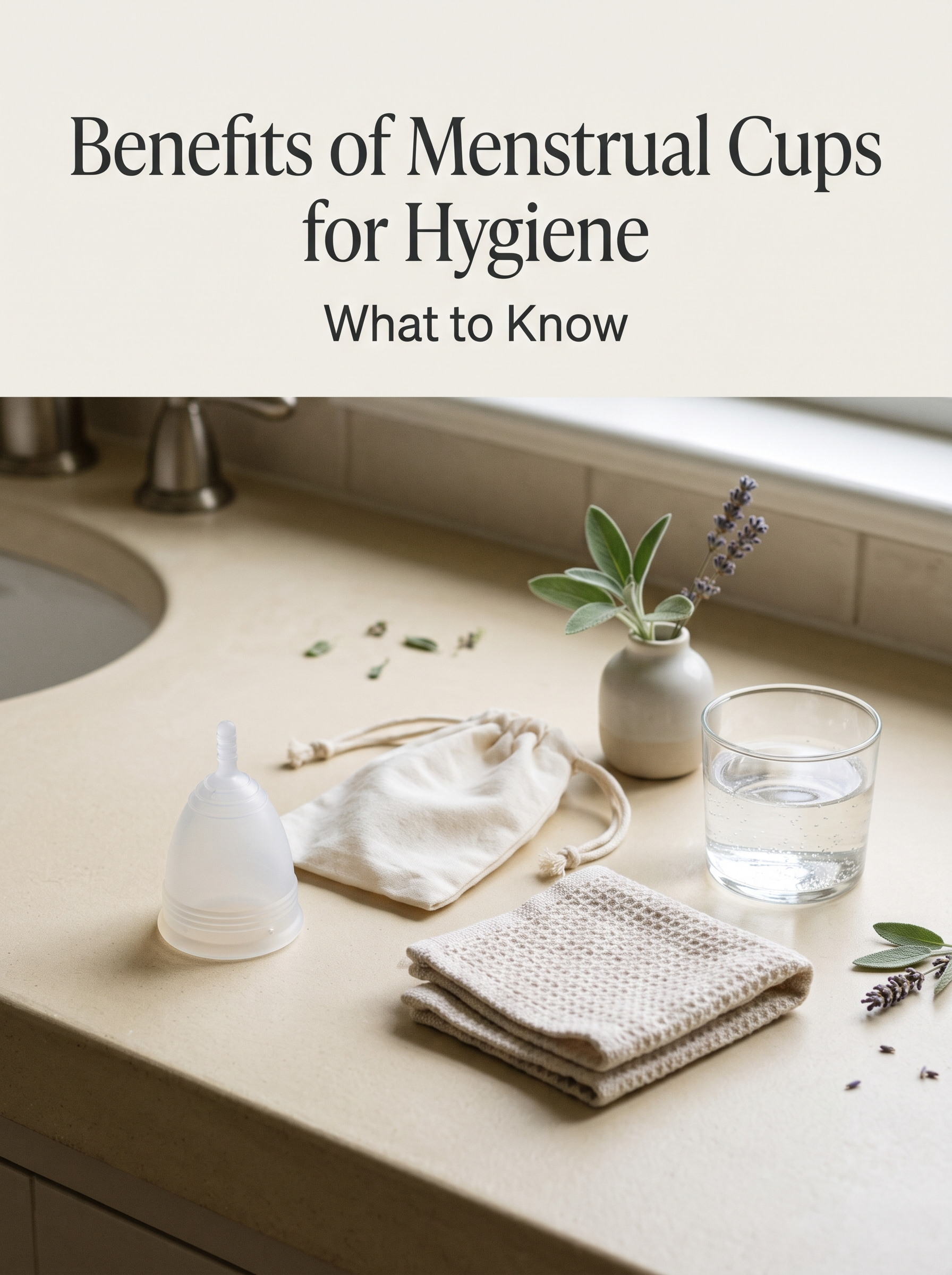
3. Menstrual cups or discs
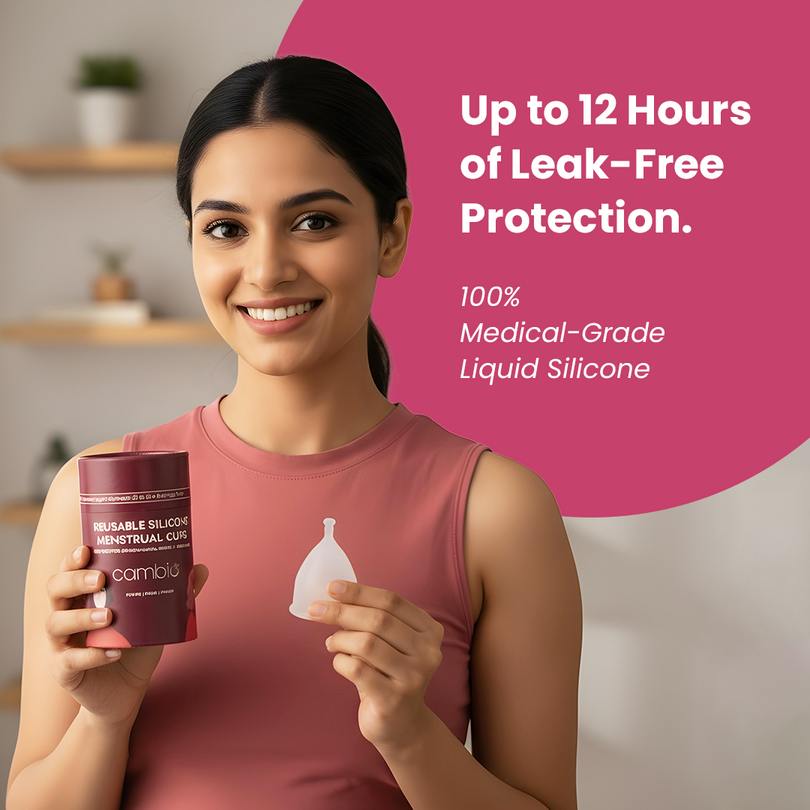
Cups and discs collect menstrual fluid internally rather than absorbing it externally. They are reusable and can reduce reliance on disposable pads, but they require comfortable insertion and removal, appropriate cleaning and adherence to the manufacturer’s wear-time guidance. They are not the right choice for everyone; a person who prefers external products does not need to switch.
4. Disposable pads with clearer material information
If reusable products are not practical, you can still compare disposable options for fragrance, topsheet, packaging, absorbency and specific plastic-reduction claims. A realistic improvement that fits your life is more useful than an ideal option you cannot comfortably use.
Are cloth pads better than disposable pads?
Neither option is best for everyone. Reusable cloth pads may reduce disposable waste over repeated uses, but their overall environmental impact depends on how often they are reused, how they are washed and dried, their lifespan and the materials they contain. Disposable pads can be more convenient when travelling or when washing facilities are limited. Comfort, hygiene, affordability and access all belong in the decision.
How to compare a plastic-free claim before buying
- Ask which exact layers are free from conventional plastic: topsheet, core, backsheet, adhesive and wrapper.
- Check whether “plant-based” describes the source material or the finished material.
- Look for specific, verifiable information instead of vague “eco” or “chemical-free” language.
- Confirm the absorbency and wear instructions for your flow.
- Check disposal guidance and whether any compostability claim matches facilities available in your area.
- If choosing reusable products, review washing, drying and replacement instructions.
Frequently asked questions
Which sanitary pads are completely free of chemicals?
No material is literally chemical-free. A more useful comparison is the exact materials used, whether fragrance is added, and what product-specific testing or standards are documented.
Which sanitary pad is the safest?
There is no single safest product for every user. Choose one that fits your body and flow, follow use instructions, and seek healthcare advice if you experience persistent irritation or pain.
What are the cons of using pads?
Disposable pads create recurring waste and may shift, feel damp or irritate some users. These issues vary by design and individual. Alternatives have trade-offs too, including washing needs, insertion, fit, cost or availability.
What did people use before tampons and modern pads?
Menstrual practices have varied across cultures and time periods. People have used washable cloth and other locally available absorbent materials, while practices depended on resources, social norms and access to privacy and water. It is best not to assume one historical method was universal.
The takeaway
Plastic-free sanitary pads may appeal to people who want to reduce disposable plastic, but the label needs scrutiny. Check which components are covered, compare performance and disposal instructions, and consider reusable cloth pads, period underwear or cups and discs if they suit your preferences. Make your choice using transparent information—not fear or absolute safety promises.
Editorial note
This article is for general education and does not provide individual medical advice. Product formulations and evidence can change; verify current packaging, manufacturer details and local waste guidance.