

If your skin tends to itch, sting or become red during your period, the sanitary pad you use is worth looking at. Pads stay in close contact with the vulval skin for hours at a time, so materials, fragrance, moisture, friction and fit can all affect how comfortable they feel.
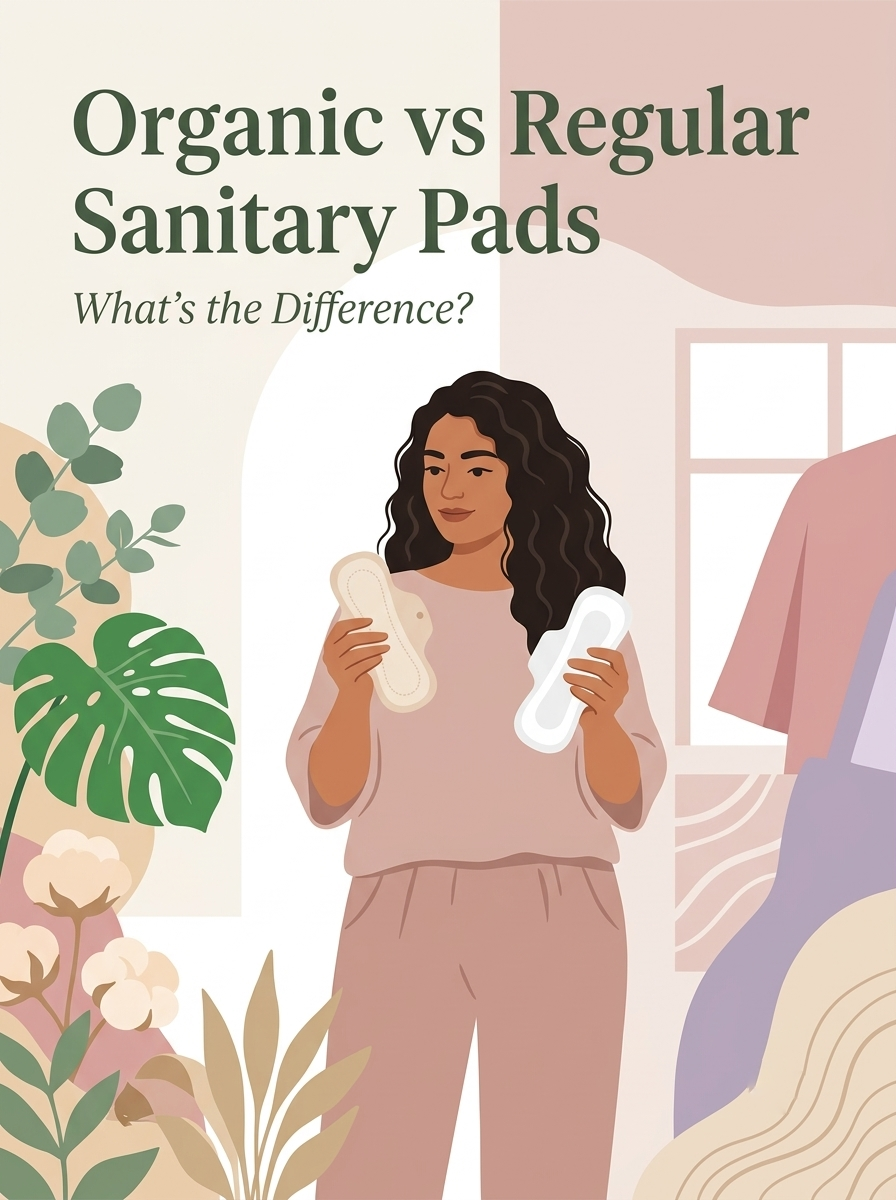
So, are organic sanitary napkins better for sensitive skin? They can be a useful option, especially when they use soft cotton and avoid added fragrance or other potential irritants. But “organic” on its own is not a guarantee that a pad will suit everyone. For sensitive skin, the full product design and how your own skin responds matter more than one label.
The Short Answer
Organic sanitary napkins may be a good choice for sensitive skin, but there is no single pad that is right for everyone. If you are prone to irritation, look beyond the word “organic” and check the product’s materials and added ingredients.
- Choose pads that are fragrance-free or deodorant-free.
- Look for a soft skin-contact layer, such as cotton, if that feels better for you.
- Avoid products that repeatedly cause itching, burning or redness, even if they are labelled organic.
- Choose a size and absorbency that matches your flow so the pad does not stay overly wet or rub unnecessarily.
- Change the pad regularly and keep the area as dry and comfortable as possible.
ACOG advises avoiding deodorant-containing menstrual pads and notes that switching to 100% cotton pads may help when regular pads are irritating.
Why Sensitive Skin May React to Sanitary Pads
The vulval skin is sensitive and can be irritated by everyday products. Perfumes, deodorants, wipes, soaps and some menstrual products can be potential irritants. Friction, sweat and prolonged contact can also make already-sensitive skin feel worse.
A reaction is not necessarily proof that a particular material is “toxic”. Irritation can happen because of contact with a substance, friction, moisture or an underlying skin condition. That is why it is better to look at the whole picture rather than assume every period rash has the same cause.
Reference: ACOG – Disorders of the Vulva: Common Causes of Vulvar Pain, Burning, and Itching.
If you want to understand pad-related skin reactions in more detail, read our guide on whether sanitary pads can cause rashes or blisters.
Are Organic Sanitary Napkins Better for Sensitive Skin?
For some people, yes. An organic pad made with a soft cotton top layer and without added fragrance may feel gentler than a pad that irritates their skin. ACOG specifically notes that some people with vulval irritation may benefit from switching to 100% cotton menstrual pads.
However, that does not mean every organic sanitary napkin is automatically better for sensitive skin. “Organic” can describe how a raw material was grown or sourced, while the finished pad may still contain several other layers, adhesives or processing materials.
In other words, if you have sensitive skin, think of organic cotton as one factor—not the whole decision.
What to Look for in a Pad if Your Skin Is Sensitive

1. A Soft Cotton Top Layer
A soft top sheet can reduce the feeling of roughness and friction. If conventional pads feel uncomfortable against your skin, a cotton-based option may be worth trying. ACOG lists switching to 100% cotton pads as one practical measure when regular pads are irritating.
2. No Added Fragrance or Deodorant
A fresh scent is not necessary for menstrual hygiene. Fragrances and deodorants can be irritating for some people with sensitive vulval skin. ACOG recommends menstrual pads that are deodorant-free, and NHS vulval-care guidance also advises avoiding perfumed products.
3. A Fit That Does Not Create Unnecessary Rubbing
A pad that is too narrow, too short or poorly positioned can move around and rub the skin. Choose a size that matches your flow and underwear. Wings can help some people keep the pad in place, while the right length can reduce the need to constantly adjust it.
4. Enough Absorbency for Your Flow
If your pad becomes saturated quickly, the combination of moisture and friction may make the area feel uncomfortable. Pick absorbency according to your actual flow rather than choosing the thickest pad by default.
5. Clear Product Information
If your skin is sensitive, it helps to know what you are buying. Look for clear information about the top layer, fragrance or deodorant, absorbent materials and other relevant components. If a brand makes a certification or testing claim, check what the certification or test actually covers.
What About Fragrance, Dyes and Deodorants?
For sensitive skin, simpler is often a sensible starting point. ACOG recommends avoiding deodorant-containing menstrual pads and other fragranced products when dealing with vulval irritation. NHS guidance similarly advises avoiding perfumes and other potential irritants around the vulval area.
That does not mean every scented or coloured product will cause a reaction in every person. It means that if your skin is already sensitive, there is little reason to add fragrance to something that is already in prolonged contact with the skin.
What Does “Chemical-Free” Really Mean?
You may also see searches for “chemical-free sanitary pads”. It is worth being careful with this phrase. In scientific terms, everyday materials are made of chemicals, so “chemical-free” is not a useful description by itself.
A more practical question is: which materials and additives are actually present, and which ones are intentionally excluded? If a brand makes a specific claim, look for clear product information that explains what the claim means.
Organic Does Not Automatically Mean Irritation-Free
This is an important distinction. A product can be organic and still not suit your skin. Likewise, a person may use a non-organic pad without developing irritation.
If you switch to an organic pad and your symptoms continue, do not keep using it simply because it is labelled organic. Consider other factors such as fragrance, friction, moisture, adhesive contact and the possibility of a skin condition.
Persistent itching, burning, swelling, sores or unusual discharge can have causes other than the pad itself. A healthcare professional can help identify the cause when symptoms do not settle.
How to Reduce Irritation During Your Period
- Change your pad regularly instead of wearing one for longer than is comfortable or appropriate for your flow.
- Choose fragrance-free or deodorant-free products if your skin is sensitive.
- If regular pads irritate you, consider trying a soft cotton pad and see whether your skin responds better.
- Wear breathable, comfortable underwear and avoid clothing that creates excessive friction.
- Wash the vulval area gently; avoid perfumed washes, deodorants, wipes and douching.
- Pat the area dry rather than rubbing it.
- If a particular pad consistently causes irritation, stop using it and compare your symptoms with a different product.
NHS guidance notes that vulval skin can be easily irritated by products such as panty liners, perfumes, deodorants, wipes and fragranced washing products, while ACOG recommends gentle vulval care and avoiding common irritants.
If you are already dealing with a period rash, you can also read our guide on how to manage period rashes.
How to Choose an Organic Sanitary Napkin for Sensitive Skin
Before buying, use this quick checklist:
| What to check | Why it matters |
|---|---|
| Organic/cotton material | May offer a softer feel for people who find some synthetic-feeling surfaces uncomfortable. |
| Fragrance/deodorant | Added fragrance can irritate sensitive vulval skin; fragrance-free is a useful starting point. |
| Size and absorbency | A better fit can reduce movement, rubbing and leakage. |
| Product information | Clear material and testing/certification information makes comparison easier. |
| Your skin's response | Personal tolerance matters; stop using a product that repeatedly causes symptoms. |
What About Organic Cotton?
Organic cotton can be attractive to shoppers who want a cotton-based skin-contact material and who prefer products with a clearly described fibre source. But the useful question is still what the finished pad contains and what part of the product the organic claim covers.
If a product carries a recognised certification, check the scope rather than assuming that every component of the finished sanitary pad has the same certification status.
Where Does CambioWoman Fit In?
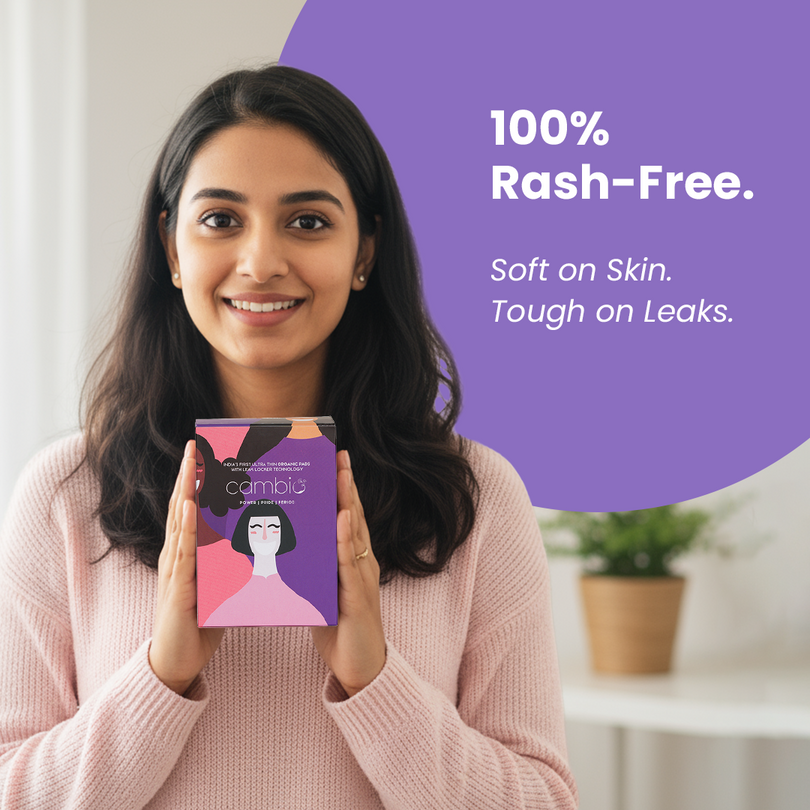
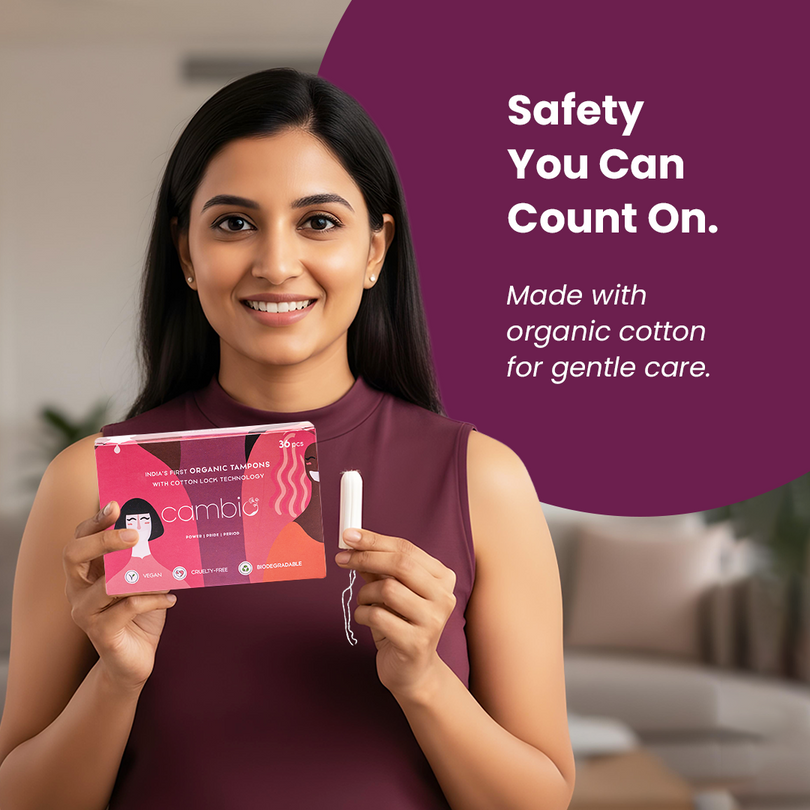
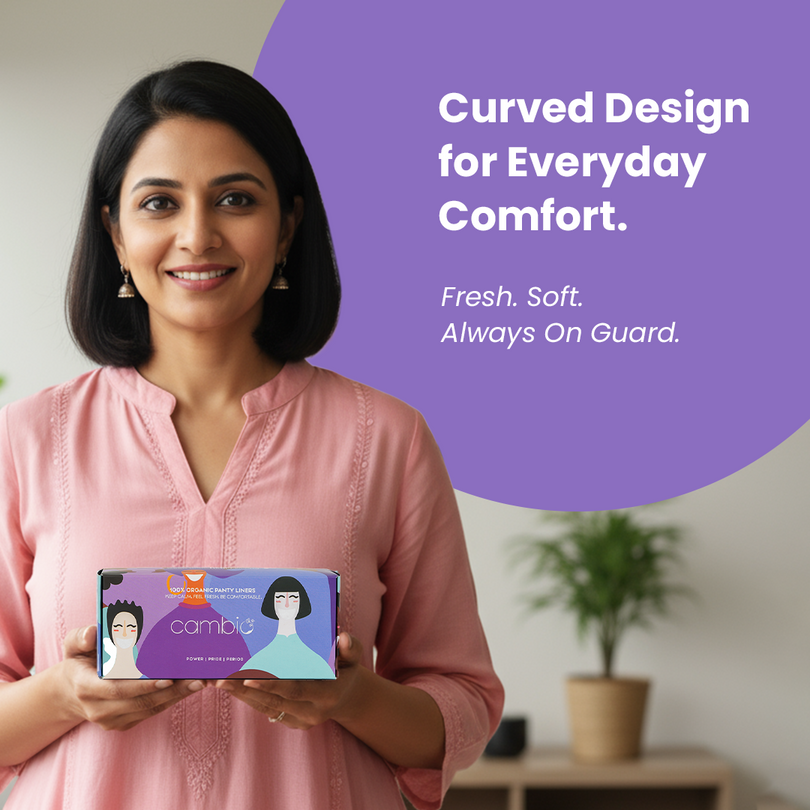
CambioWoman currently lists its Organic Sanitary Pads as made with 100% pure cotton, with multiple length and flow options. The product page also displays brand-specific claims including dermatological testing, GOTS certification and SGS testing. These are product-page claims, so readers should review the current product page and certification details when making a purchase decision.
Explore CambioWoman Organic Cotton Pads to check the current product details and available options.
You can also browse the Menstrual Hygiene Products collection when comparing menstrual-care products.
When Should You See a Doctor?
If you develop persistent or severe itching, burning, swelling, sores, significant pain, or symptoms that continue after you stop using a suspected irritant, it is worth speaking with a doctor or other qualified healthcare professional.
Vulval irritation can have several causes, and treating the wrong cause may delay relief. If the problem keeps returning every period, note when the symptoms start, which products you use and whether changing products makes a difference.
Reference: ACOG – Disorders of the Vulva: Common Causes of Vulvar Pain, Burning, and Itching.
Frequently Asked Questions
Which sanitary pads are good for sensitive skin?
There is no single pad that works for everyone. If your skin is sensitive, look for a soft, fragrance-free or deodorant-free pad and consider cotton if it feels more comfortable for you. Fit, absorbency and your own skin response also matter.
What are some sanitary pads that don't irritate skin?
A pad that is free of added fragrance or deodorant and comfortable against your skin may be less irritating. ACOG specifically advises avoiding deodorant-containing pads and notes that switching to 100% cotton pads may help when regular pads irritate the vulva.
Are organic sanitary pads automatically safer for sensitive skin?
Not automatically. Organic describes certain material or sourcing characteristics, but it does not guarantee that every part of the finished pad will suit every person. Check the complete product information and choose a pad that your skin tolerates well.
Are fragrance-free pads better for sensitive skin?
They can be a sensible choice because fragrances and deodorants can irritate sensitive vulval skin. ACOG and NHS guidance both recommend avoiding fragranced products when irritation is a concern.
What kind of pads are best for very sensitive skin?
Look for a soft, fragrance-free or deodorant-free option with a comfortable fit and appropriate absorbency. If cotton feels better for you, a cotton pad may be worth trying. If irritation persists, speak with a healthcare professional.
Which pad is best for periods without rashes?
There is no universal “best” pad. The goal is to find one that does not irritate your skin, fits well, matches your flow and is changed regularly. If you repeatedly get rashes, investigate the cause rather than simply switching between brands.
Are organic sanitary pads better?
They can be a useful option for people who prefer organic materials or find a particular cotton-based product more comfortable. But organic does not automatically mean better for every person, so compare the full product design and your own skin response.
Conclusion
Organic sanitary napkins can be a useful option for people with sensitive skin, especially when a particular cotton-based, fragrance-free product feels comfortable. But the word “organic” is not a guarantee of irritation-free periods.
Look at the material that touches your skin, check for fragrance or deodorant, choose the right size and absorbency, and pay attention to how your skin responds. If irritation keeps returning or does not settle, do not assume the pad is the only possible cause—get appropriate medical advice.