



Choosing the right sanitary napkin is an important part of menstrual hygiene. Today, many women are becoming more aware of the materials used in their period products and are exploring organic sanitary napkins as an alternative to conventional sanitary pads.
But what are organic sanitary napkins? How are organic sanitary pads different from regular pads? What should Indian women check before buying them?
This complete guide explains the basics of organic sanitary napkins, including materials, comfort, absorbency, sizes, hygiene, and how to choose the right option for your period.
What Are Organic Sanitary Napkins?
Organic sanitary napkins are menstrual pads made using organic or naturally derived materials. Organic cotton is one of the materials used in some organic sanitary pads because of its soft and absorbent properties.
However, the term “organic” alone does not tell you everything about a sanitary pad. Before buying organic sanitary pads, it is important to check the materials, absorbency, size, certifications, testing information, and product specifications.
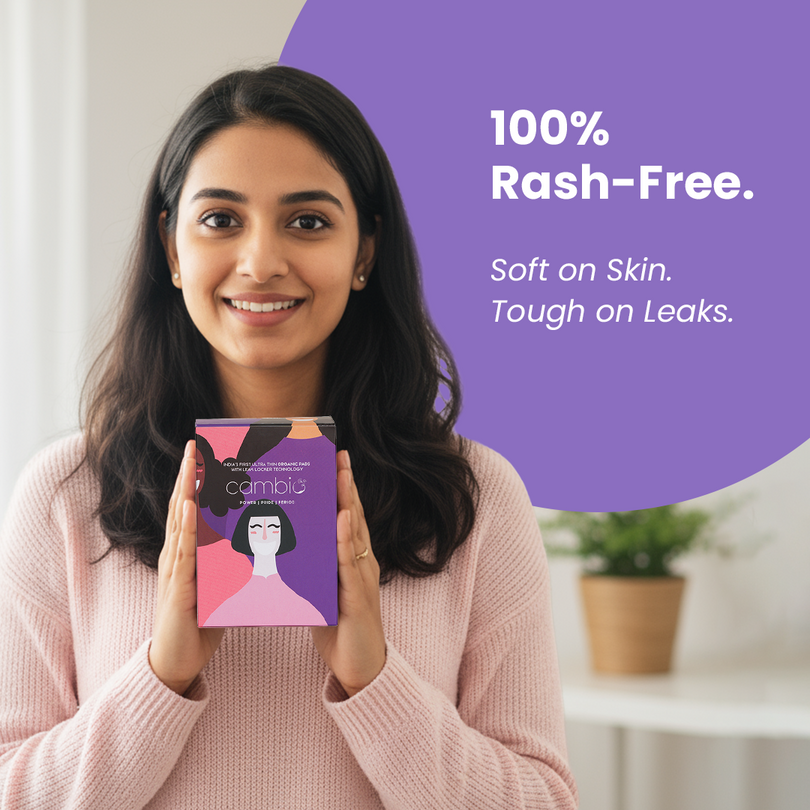
For women looking for an organic cotton option, CambioWoman Organic Cotton Pads can be a useful place to compare available period-care products.
Why Are Women Choosing Organic Sanitary Pads?
The choice of sanitary pad is personal. Some women prefer organic sanitary napkins because they want to pay closer attention to the materials used in products that come into contact with their skin.
1. Organic Cotton
Organic cotton is commonly used in organic period-care products. CambioWoman’s organic sanitary pads are listed as being made with 100% organic cotton.
2. Comfort
Comfort is an important factor when choosing organic sanitary pads. The top layer, thickness, length, fit, and absorbency can affect how comfortable a sanitary napkin feels during your period.
3. Material Awareness
Different sanitary pads use different materials and construction methods. Checking the product information can help you understand what you are buying instead of choosing a product only because it is labelled “organic.”
For background on materials and practical considerations, see UNICEF’s guide to menstrual hygiene materials.
4. Sustainability Considerations
Women who are also concerned about menstrual waste may consider the materials and packaging used for their period products.
When evaluating organic textiles, consumers can learn more about the Global Organic Textile Standard (GOTS) and its requirements.
What Should You Check Before Buying Organic Sanitary Napkins?
Not every organic sanitary napkin is the same. Before choosing organic sanitary pads, consider these factors.
Material
Check the product information to understand the materials used in the top sheet, absorbent core, back layer, adhesive, and packaging.
If you specifically want organic cotton sanitary pads, look for clear information about the use of organic cotton instead of assuming that every “natural” or “organic” labelled pad is identical.
Size and Length
The right sanitary napkin size depends on your menstrual flow, comfort, and whether you are using the pad during the day or overnight.
A lighter-flow day may require a different size from a heavy-flow day.
Absorbency
Choose the absorbency of your organic sanitary pads according to your menstrual flow rather than simply choosing the largest pad.
CambioWoman currently offers organic cotton sanitary pads in Light Flow, Medium Flow, Heavy Flow, and Extra Heavy Flow options.
Explore the menstrual hygiene products collection to compare available options.

Skin Comfort
If you experience discomfort with a particular sanitary pad, consider the materials, fragrance, fit, moisture, and how frequently you change the pad.
Organic does not automatically mean that a product will suit every individual. If you experience persistent irritation or discomfort, consult a healthcare professional.
Certifications and Testing
Certifications and testing information can help consumers evaluate period-care products more carefully.
CambioWoman’s product information lists GOTS certification and dermatological testing. Always check the current product page and packaging for the latest product details.
Organic Sanitary Pads vs. Conventional Sanitary Pads
The main difference to consider is the materials used in the product.
Conventional sanitary pads may use a combination of synthetic materials, while organic sanitary pads may focus on materials such as organic cotton.
However, there is no single sanitary napkin that is right for every woman. Your choice can depend on your menstrual flow, comfort, skin sensitivity, availability, and budget.
Instead of choosing a sanitary pad only because it says “organic,” check the complete product information and understand what you are buying.
UNICEF provides background on different menstrual hygiene materials, including product specifications and practical considerations.
Which Organic Sanitary Napkin Should You Choose for Your Flow?
Your menstrual flow can change during your period, so you may not need the same organic sanitary pad every day.
Light Flow
For lighter days or the beginning and end of your period, a lighter-flow sanitary napkin may be suitable.
Medium Flow
A medium-flow organic sanitary pad can be considered when your flow is more regular and you need additional absorbency.
Heavy Flow
During heavier days, consider a longer sanitary napkin with higher absorbency and secure coverage.
Overnight or Extra-Heavy Flow
For overnight use or particularly heavy flow, a longer and more absorbent organic sanitary pad can provide additional coverage.
CambioWoman currently lists Light Flow (245 mm), Medium Flow (280 mm), Heavy Flow (330 mm), and Extra Heavy Flow (420 mm) options.
How Often Should You Change a Sanitary Pad?
Changing your sanitary pad regularly is an important part of menstrual hygiene.
There is no single fixed schedule that works for everyone because menstrual flow varies. A sanitary pad should generally be changed when it becomes wet, uncomfortable, heavily used, or before it reaches its practical absorbency limit.
On heavier-flow days, you may need to change your organic sanitary napkin more frequently.
For broader menstrual-health guidance, you can also refer to WHO’s menstrual health guidance.
How Should Sanitary Napkins Be Disposed Of?
Used sanitary napkins should not be flushed down the toilet because they can contribute to plumbing and sewage problems.
Instead:
- Wrap the used sanitary napkin securely.
- Place it in an appropriate disposal bag.
- Put it in the designated waste bin according to local waste-management guidance.
- Wash your hands after disposal.
Proper menstrual hygiene also includes having suitable materials, facilities, and waste-management options. WHO and UNICEF provide additional guidance on menstrual health and hygiene.
Are Organic Sanitary Napkins Suitable for Sensitive Skin?
Organic sanitary napkins may appeal to women who prefer products made with materials such as organic cotton. However, “organic” should not be treated as a guarantee that a product will work for every skin type.
Skin sensitivity can have different causes. If you notice repeated rashes, burning, itching, or irritation, stop using the product that appears to trigger the problem and consider speaking with a healthcare professional.
When choosing organic sanitary pads, check information about materials, fragrances, testing, and intended use.
How to Choose the Right Organic Sanitary Pad
If you want to switch to organic sanitary pads, you do not have to change everything at once.
Start by choosing a size and absorbency that matches your usual menstrual flow. Try the product during a normal period and pay attention to comfort, absorbency, fit, and how frequently you need to change it.
You can then decide whether the organic sanitary napkin works for your personal needs.
For more buying advice, read our guide on how to choose the right sanitary pad.
Shop menstrual hygiene products to compare the available options.
Frequently Asked Questions
What are organic sanitary napkins?
Organic sanitary napkins are menstrual pads made using organic or naturally derived materials, such as organic cotton, depending on the product.
Are organic sanitary pads better than regular sanitary pads?
There is no single answer for everyone. Some women prefer organic sanitary pads because of their material preferences, while others may prioritize absorbency, comfort, price, or availability.
Are organic cotton sanitary pads suitable for heavy flow?
Organic sanitary pads can be available in different sizes and absorbency levels. Choose the size and absorbency according to your individual menstrual flow.
How do I choose the right organic sanitary napkin in India?
Consider your menstrual flow, required length, comfort, materials, absorbency, price, availability, and relevant product certifications or testing information.
Can I use organic sanitary pads overnight?
Yes, some organic sanitary pads are available in longer and higher-absorbency options designed for heavier flow and overnight use.
Final Thoughts
Choosing the right sanitary napkin is a personal decision. If you are considering organic sanitary napkins, look at the materials, size, absorbency, comfort, certifications, testing information, packaging, and disposal options before making your choice.
For women looking for an organic cotton period-care option, you can explore and purchase menstrual hygiene products from CambioWoman and compare the available products according to your menstrual needs.