


Periods are personal, and the product that feels right for one person may not suit another. Some women prefer the familiar convenience of disposable pads. Others are curious about organic cotton, tampons, menstrual cups or reusable products that may reduce the amount of waste they create over time.
If you are exploring organic menstrual products in India, it helps to look beyond a label or a marketing claim. Understand what each product does, what materials are used, how it fits into your routine, and what care it requires. This guide walks through the main options so you can make an informed choice without feeling that there is one “perfect” product for everyone.
What Does “Organic Menstrual Product” Mean?
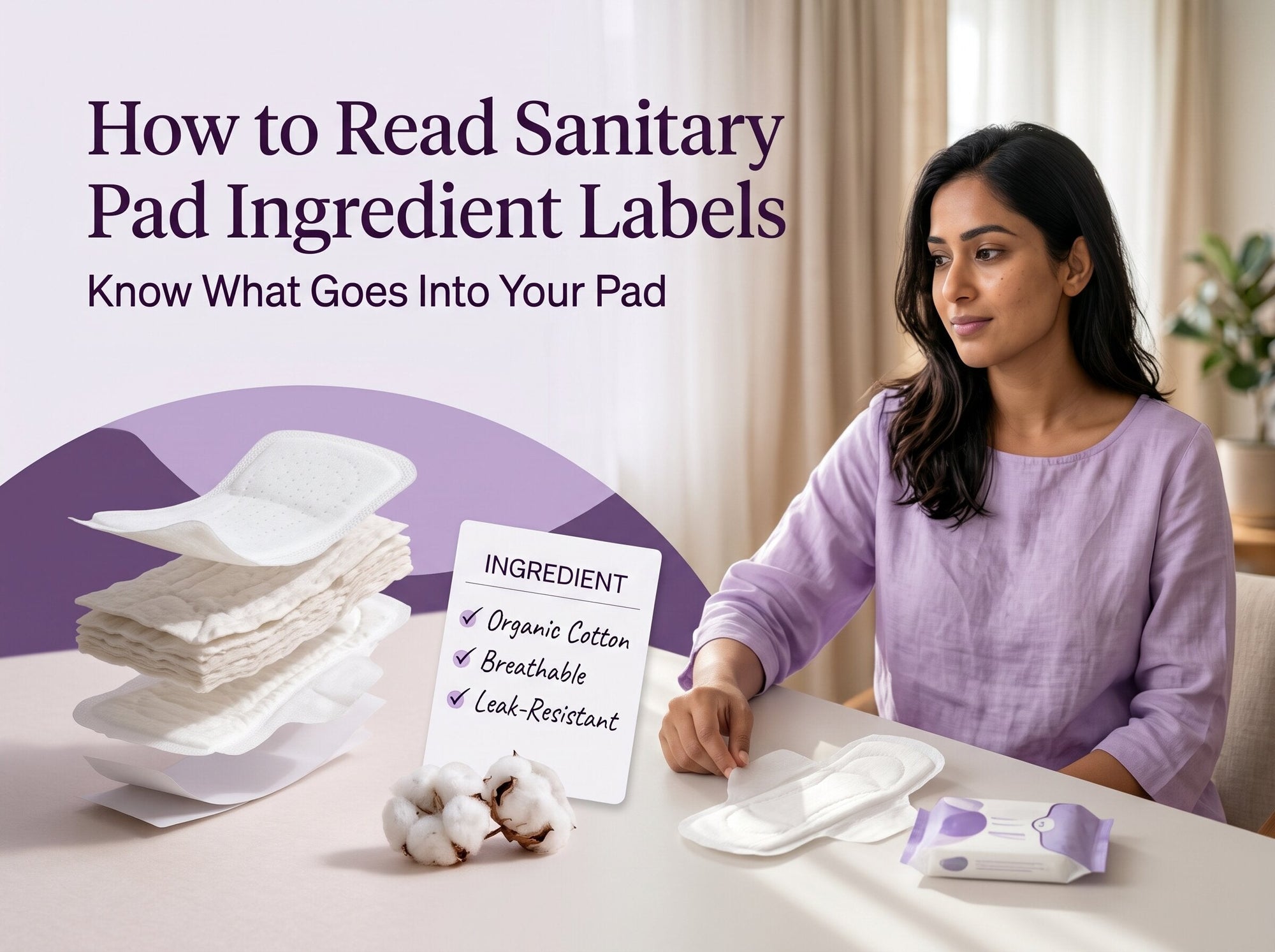
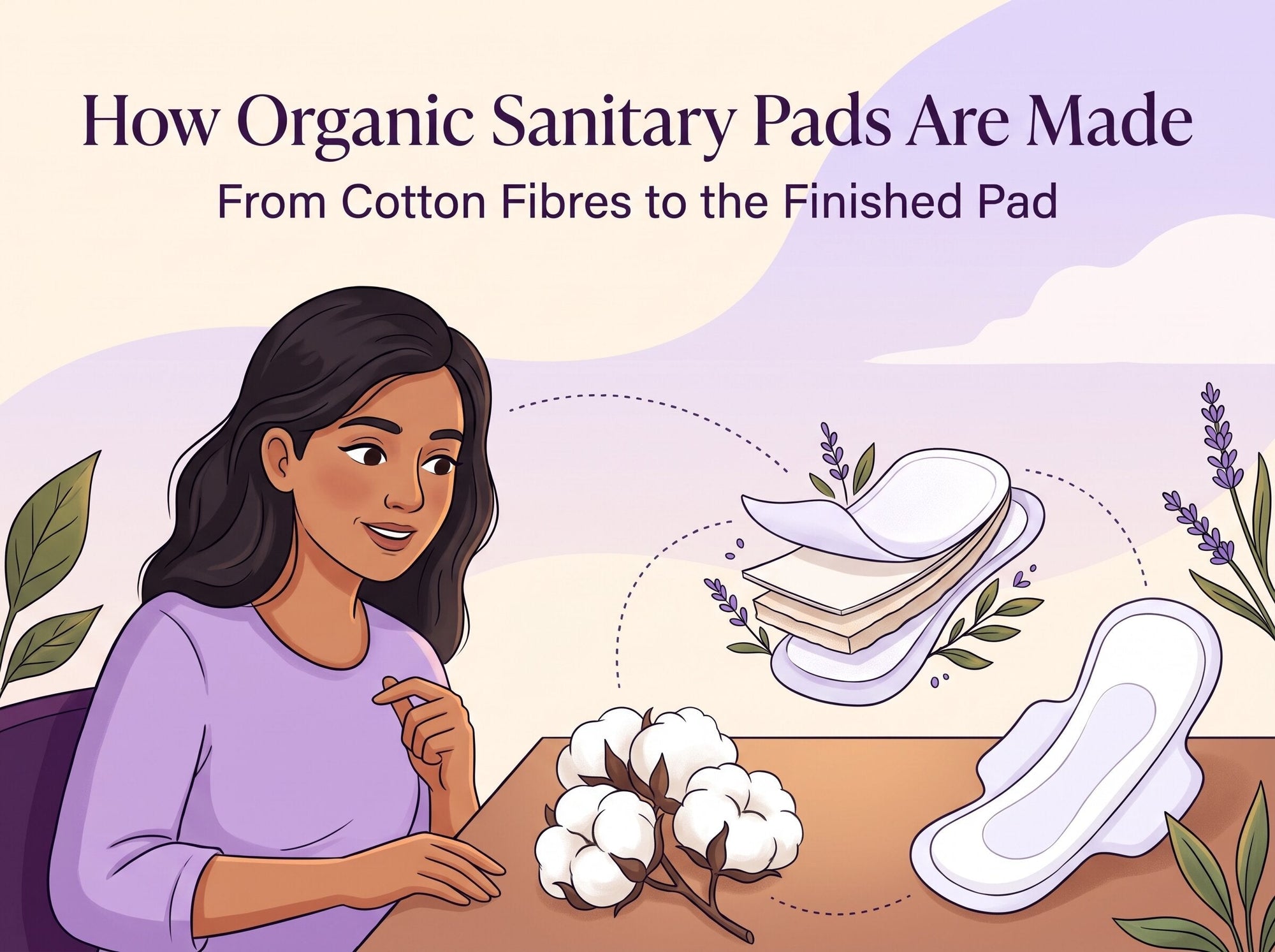
The word “organic” usually refers to particular materials or how those materials are grown and processed. In period care, organic cotton is one material you may see in pads, tampons or panty liners. However, not every part of a product is necessarily organic just because the packaging uses that word. A pad, for example, may have a cotton top sheet and other materials in its absorbent core, backing or adhesive.
Check the product description for the specific component described as organic. If a certification is mentioned, look for the certification name and what it covers. Also keep in mind that “organic”, “fragrance-free”, “biodegradable” and “reusable” mean different things; one claim does not automatically prove the others.
For information about an organic textile certification standard and its scope, see the Global Organic Textile Standard (GOTS).
Main Types of Organic and Alternative Period-Care Products
1. Organic Cotton Sanitary Pads
Disposable organic cotton pads are placed in the underwear and absorb menstrual flow. They may be a familiar starting point if you currently use disposable pads but want to pay closer attention to the material that touches your skin. Pads come in different lengths and absorbency levels, so compare the actual product specifications rather than assuming every brand’s labels mean the same thing.
Before buying, check the top-sheet material, fragrance information, absorbency, length, wings or fit, individual wrapping and disposal instructions. Organic cotton may appeal to people who prefer that fibre, but it does not guarantee that a product will suit every person’s skin or prevent irritation.
2. Organic Cotton Tampons
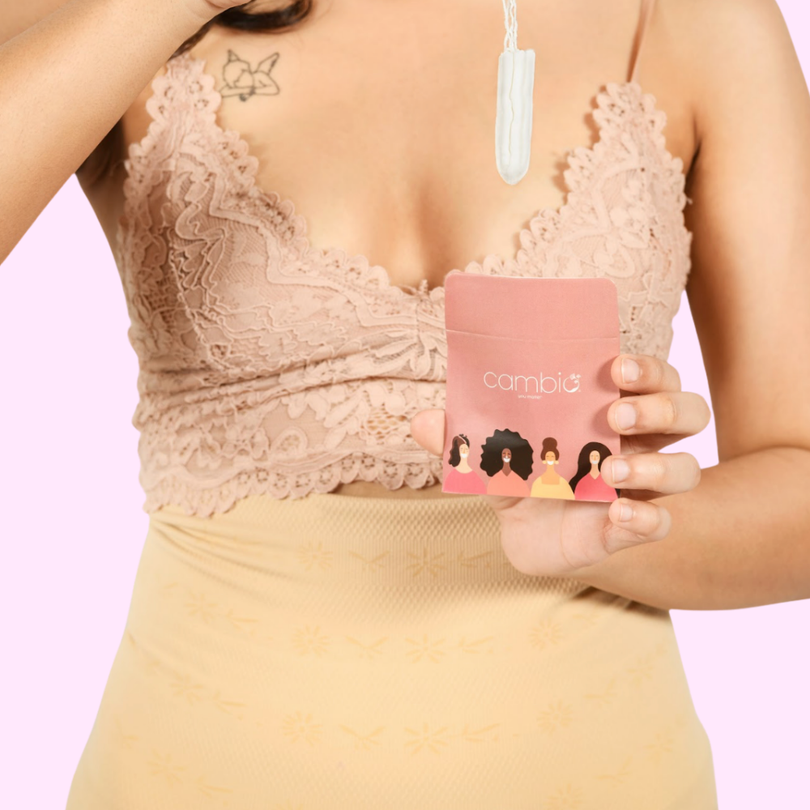
Tampons are worn internally and absorb menstrual flow. Some are made with organic cotton, while product designs and applicators can vary. They may suit people who prefer an internal product for activities such as swimming, but they require correct use and regular changing according to the package instructions.
Read the instructions carefully, choose the lowest absorbency that manages your flow, and never leave a tampon in longer than the product instructions allow. If you are new to tampons, take time to learn safe use and ask a healthcare professional if you have questions.
For general safe-use guidance, see the U.S. FDA — The Facts on Tampons and Tampon Safety.
3. Menstrual Cups
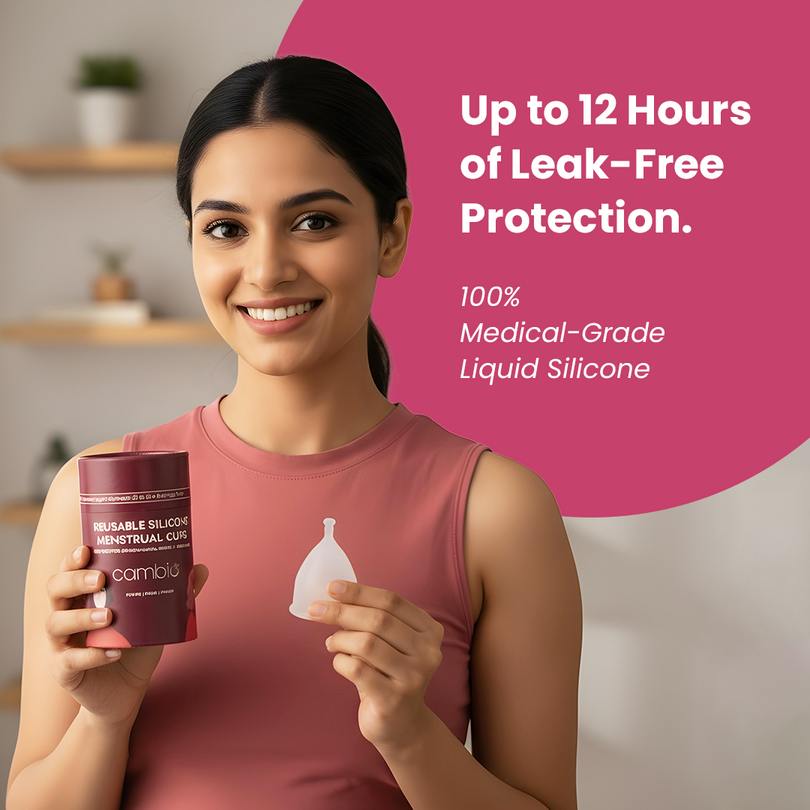
A menstrual cup is a reusable cup, commonly made from medical-grade silicone or another specified material, that collects rather than absorbs menstrual fluid. It can be a lower-waste option for people comfortable with insertion, removal, cleaning and storage. Cups come in different sizes and shapes, so fit and comfort matter.
A cup is not a cotton product and should not be called organic cotton. If you are comparing products under the wider umbrella of conscious or alternative period care, treat the material and use instructions as separate considerations. Follow the manufacturer’s cleaning, sterilising and replacement guidance.
4. Organic Cotton Panty Liners
Panty liners are thinner than standard pads and are generally designed for light discharge, spotting or as a small backup—not as a replacement for a pad or other product when your menstrual flow needs more absorbency. Organic cotton liners may appeal to people who prefer cotton against the skin.
Check the product’s intended use and change it regularly. If you notice discomfort, irritation or increased moisture, stop using it and consider whether the product or the way it is being used is right for you.
5. Reusable Cloth Pads and Period Underwear
Reusable cloth pads and period underwear can be washed and used again. They may reduce disposable waste, but they need access to water, suitable washing, complete drying and clean storage. The fabric composition varies, so do not assume that every reusable product is organic.
Think practically about your daily routine: will you be able to carry a used product discreetly, wash it properly and let it dry fully? If you are at school, college, work or travelling for long hours, plan for clean storage and a way to change when needed.

For broader context on access to facilities, supplies and menstrual-health information, see UNICEF — Menstrual health and hygiene.
How to Choose What Works for You
Start with your comfort and preference
Consider whether you prefer an external product such as a pad or an internal option such as a tampon or cup. There is no need to switch to a product that makes you uncomfortable simply because it is described as natural or sustainable.
Match the product to your flow
Look at the product’s size and absorbency guidance. You may prefer different products or sizes on lighter and heavier days, including overnight.
Read the materials and claims
Find out which component is organic, whether fragrance is added, and whether certification is stated. Organic does not automatically mean plastic-free, biodegradable, hypoallergenic or suitable for everyone.
Consider care and convenience
Disposable products are convenient when washing facilities are limited. Reusable products need cleaning, drying and storage. Internal products require following the instructions for insertion, removal and timing.
Compare the cost over time
Compare the price per pad or liner for disposables. For reusable products, consider the initial cost, how long the product is intended to last, and the care supplies or water needed.
Think about waste and disposal
A product’s environmental impact depends on its materials, packaging, use and disposal. Do not flush pads, liners, tampons or applicators. Follow local waste guidance and the manufacturer’s instructions.
Can You Mix Different Period Products?
Yes. Some people use one product during the day and another overnight, or choose a different option for travel, exercise or lighter days. For example, a pad may feel easiest at home, while another person may prefer a cup for certain activities. Choose only combinations that are compatible with the products’ instructions and your own comfort. If you use an internal product, follow its timing and safety instructions even when using a liner or pad as backup.
What If You Have Sensitive Skin?
If you are prone to irritation, review fragrance and material information, avoid products that you know trigger symptoms, and change menstrual products regularly. “Organic” is not a medical guarantee and cannot promise that irritation will never occur. If irritation keeps returning, is severe, or comes with unusual pain, discharge or other symptoms, seek advice from a qualified healthcare professional rather than relying on a product label alone.
For a broader view of access to information, appropriate products and care, see WHO — Menstrual health.
Where to Explore Menstrual-Care Options at CambioWoman
If you are comparing period-care choices, start by reviewing the product details and use instructions rather than relying on broad claims. CambioWoman lists organic cotton sanitary pads, organic cotton panty liners, organic cotton tampons and reusable menstrual cups. Check each product page for the current materials, size or flow options, care instructions and availability.
Explore CambioWoman’s Organic Sanitary Pads.
Browse the Menstrual Hygiene Products collection.
For a closer look at pad materials and product selection, read How to Choose Organic Sanitary Napkins.
Frequently Asked Questions
What are organic menstrual products?
They are period-care products that use specified organic materials in one or more components. Check the product description to see exactly which materials are organic.
Which organic menstrual product is best for Indian women?
There is no single best option for everyone. Pads, tampons, cups, liners and reusable products have different use and care requirements. Choose based on comfort, flow, routine, materials and instructions.
Are organic menstrual products chemical-free?
“Chemical-free” is a broad marketing phrase and should not replace a clear material list. Check the product’s ingredients or materials, fragrance information and any relevant certification.
Are menstrual cups organic?
A menstrual cup is generally a reusable product made from a material such as medical-grade silicone. It is not an organic cotton product, so compare its material and care instructions separately.
Are reusable products always more eco-friendly?
Not automatically. Their impact depends on materials, how long they are used, how they are washed and dried, and what they replace. Follow care and disposal guidance.
Can organic products prevent rashes or infections?
No product can guarantee that. Individual sensitivity, moisture, fit, changing habits and other factors can affect comfort. Seek medical advice if symptoms persist or are severe.
A Final Note
Choosing menstrual products is a personal decision, not a test of how sustainable or health-conscious you are. Start with reliable product information, consider what fits your body and routine, and change your choice if it does not feel right. The most useful product is one you can use comfortably and correctly.